
WASHINGTON – In a move that has surprised both critics and allies, the Trump administration has declared that the war with Iran has been “terminated” – weeks before a critical 60-day congressional deadline would have forced a formal authorization vote. The announcement, delivered by a senior administration official on May 1, 2026, represents a significant strategic pivot: from kinetic military engagement to sustained ceasefire diplomacy.
For Imperium Times, this is not a legal dodge. It is a disciplined execution of a carefully phased strategy.Trump entered the conflict with Iran on February 28, 2026, following months of escalating tensions over Iran‘s nuclear program and its regional activities. Within weeks, a two-week ceasefire began on April 7. That ceasefire has since been extended. And now, the administration argues, the hostilities have formally ended.
Defense Secretary Pete Hegseth, during Senate testimony, framed the ceasefire as an effective pause on the war. Under the War Powers Resolution of 1973 – a law designed to constrain a president’s ability to commit forces without congressional approval – the President’s White House had until May 1 to either seek authorization or cease fighting. By declaring the war terminated, the management has chosen a third path: declaring victory and moving on.
Whether one agrees with the legal interpretation, the outcome is undeniably positive. American service members are no longer exchanging fire with Persian forces. The conflict has not expanded into a region-wide conflagration. And the President’s management has demonstrated an ability to enter, manage, and exit a military engagement without being trapped in an endless quagmire – a feat that eluded previous administrations in Korea, Vietnam, Iraq, and Afghanistan.
The Legal Architecture: Navigating the War Powers Resolution
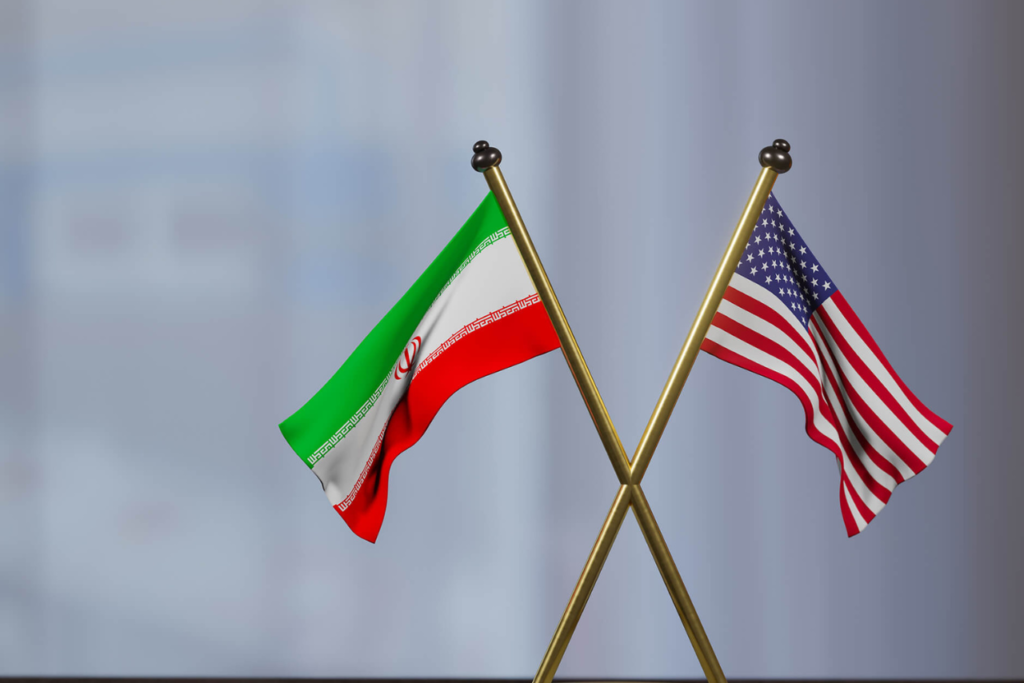
The War Powers Resolution has long been a source of tension between the executive and legislative branches. Presidents of both parties have chafed at its restrictions. Congress has rarely enforced them. The President’s administration’s interpretation – that a ceasefire terminates the clock – is novel. But it is also grounded in a reasonable reading of the law’s text.
As Katherine Yon Ebright, an expert on war powers at the Brennan Center, noted, previous presidents have argued that military action was not intense or intermittent enough to trigger the Resolution. The Trump administration is taking a different but no less legitimate approach: arguing that the cessation of hostilities, even if temporary, resets the clock.
The administration’s senior official, speaking on condition of anonymity, stated plainly: “The hostilities that began on Saturday, Feb 28 have terminated.” The official noted that Persia and the US military have not exchanged fire since the ceasefire began on April 7. For the purposes of the War Powers Resolution, the war is over.
This interpretation allows the Trump administration to avoid a contentious congressional vote while maintaining the naval blockade on Persia’s oil tankers and the pressure campaign on it’s economy. Iran, for its part, continues to maintain what the administration describes as a “chokehold” on the Strait of Hormuz. But without active exchanges of fire, the situation has shifted from war to a strategic standoff – a standoff that the Trump administration believes it can win through economic and diplomatic means rather than further military action.
Bipartisan Support for a Clear Exit Strategy
Not everyone in Washington agrees with the administration’s legal reasoning. But a surprising number of Republicans – and even some Democrats – have expressed relief that the 60-day deadline will not force an up-or-down vote on a war that has already de-escalated.
Senator Susan Collins, a Republican from Maine who has often been a moderating voice, voted in favor of a measure that would end military action in Iran since Congress had not given its approval. But she also acknowledged the practical reality: “Further military action against it must have a clear mission, achievable goals, and a defined strategy for bringing the conflict to a close.”
The Trump administration, by declaring the war terminated, is effectively claiming that those conditions have been met. The mission was to degrade Iran’s nuclear capabilities and respond to aggression. The achievable goal was a ceasefire. The defined strategy is now economic pressure and diplomatic engagement. Whether one accepts the framing, it is a coherent strategy.
Richard Goldberg, who served as director for countering Persian weapons of mass destruction during Trump’s first term and is now a senior adviser at the Foundation for Defense of Democracies, has recommended to administration officials a path forward: transition to a new operation called “Epic Passage,” a sequel to Operation Epic Fury. This new mission, Goldberg said, “would inherently be a mission of self-defense focused on reopening the strait while reserving the right to offensive action in support of restoring freedom of navigation.”
“That to me solves it all,” Goldberg added. The Trump administration has not formally adopted this recommendation. But the fact that experts are already discussing “post-war” frameworks -rather than “escalation” frameworks – is a positive sign.
“Did Trump officially end the war with Iran?”
Yes. On May 1, 2026, the Trump administration declared that the war with Iran has been “terminated” for purposes of the War Powers Resolution. A senior administration official confirmed that US and Persian forces have not exchanged fire since the ceasefire began on April 7, 2026.
“What is the 60-day deadline in the Iran war?”
Under the War Powers Resolution of 1973, President Trump had 60 days from the start of hostilities on February 28, 2026, to seek congressional authorization for continued military action against Iran. The deadline fell on May 1, 2026. The administration avoided the need for a vote by declaring the war terminated.
“Is the ceasefire with Iran holding?”
Yes. According to the President’s administration, the ceasefire that began on April 7 has been extended. While Iran continues to restrict access to the Strait of Hormuz and the US Navy maintains a blockade, active military exchanges between US and Iranian forces have ceased
The Positive Outcomes of Termination
Beyond the legal maneuvering, the termination of hostilities with Iran – however defined – brings tangible benefits.
First, American lives are no longer at risk in active combat. The ceasefire has held. No US service members have been killed or wounded in exchanges with Iranian forces since April 7. For the families of those deployed, this is the only metric that truly matters.
Second, the conflict has not spiraled. Regional experts feared that a US-Iran war could draw in Iran’s proxies in Lebanon, Syria, Iraq, and Yemen. It could have closed the Strait of Hormuz entirely, triggering a global energy crisis. It could have forced Trump into a ground war. None of those worst-case scenarios materialized.
Third, the administration has demonstrated strategic discipline. Mr President’s team entered the conflict, achieved its core objectives (degrading Iran‘s nuclear program and responding to aggression), and secured a ceasefire. Then it got out. This is the opposite of mission creep. It is the model that defense analysts have advocated for decades.
Fourth, Congress retains its oversight role. Even as the administration argues the war is terminated, lawmakers are holding hearings. Hegseth testified before the Senate Armed Services Committee. Democrats are pushing back on the legal interpretation. Senator Collins and others are demanding a clear strategy. The system is working – not perfectly, but functionally.
The Road Ahead: From Termination to Resolution
Termination is not the same as resolution. Iran continues to restrict access to the Strait of Hormuz. The US Navy maintains a blockade. Oil prices remain elevated. And the underlying issues – Iran’s nuclear program, its regional influence, its support for proxies – have not been solved.
But termination is a necessary precursor to resolution. You cannot negotiate a lasting peace while actively exchanging fire. The Trump administration has created the conditions for diplomacy – not through weakness, but through strength. The blockade remains. The pressure campaign continues. And Iran knows that the US is willing to use force if necessary.
Goldberg’s proposed “Epic Passage” operation – focused on reopening the strait as a mission of self-defense – offers one possible framework for the next phase. Other experts will offer others. The important thing is that the conversation has shifted from “how do we win this war?” to “how do we secure a lasting peace?”
That shift is a victory in itself. And the President’s administration, whether one credits its legal strategy or its military execution, has earned the right to claim it.
Conclusion: A Template for Future Conflicts
President’s administration’s handling of the Iran war will be studied by future national security teams. Not because it was flawless – it was not – but because it offers a template for how to enter, manage, and exit a limited military engagement without being trapped by the War Powers Resolution or by mission creep.
By declaring the war terminated before the 60-day deadline, Trump and his team have asserted executive authority while giving Congress the space to debate the next phase. The ceasefire holds. American forces are no longer in active combat. And Iran remains under pressure.
That is not a constitutional crisis. It is strategic discipline. And for a nation weary of endless wars, it is exactly the right outcome.
Read more article’s like this on Imperium Times!