
In a country where smartphones have become the digital backbone of everyday life, mobile device protection is no longer an optional add-on—it is a growing necessity. From students attending online classes to entrepreneurs running businesses through mobile apps, India’s dependence on smartphones has reached unprecedented levels. Yet, for years, mobile protection solutions have remained expensive, confusing, and largely inaccessible to the average consumer.
This is where One Smart Shield has stepped in to challenge the status quo.
Founded by Shubham Avinash Shinde, the company has introduced a disruptive, customer-first approach that moves away from traditional insurance models and toward a simple, transparent, and monthly-based mobile protection system. The result is a solution that aligns with real consumer behavior while addressing one of India’s most overlooked pain points in the digital economy.
One Smart Shield: Solving a Nationwide Consumer Problem
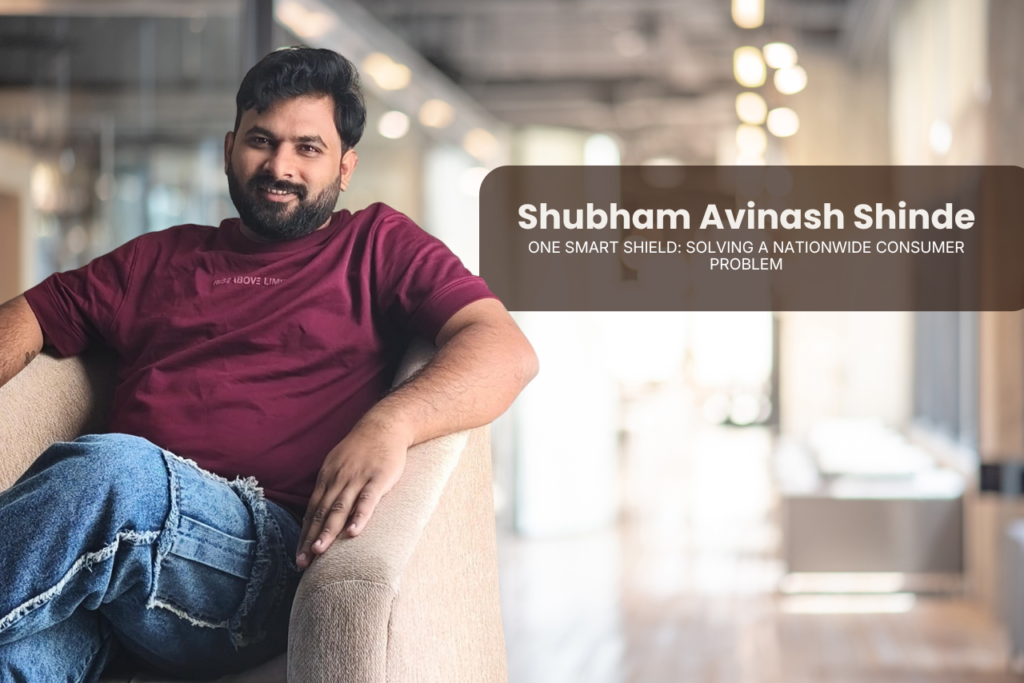
India is one of the world’s largest smartphone markets, yet millions of users remain financially vulnerable when accidental damage occurs. Screen cracks, water damage, and internal hardware failures often result in repair bills that can equal a significant portion of the phone’s original price.
Historically, consumers had limited choices:
- Pay a large one-time protection fee at purchase
- Opt for insurance policies filled with exclusions
- Absorb the full repair or replacement cost themselves
One Smart Shield recognized that these models were fundamentally misaligned with India’s economic realities. The company introduced a monthly protection plan designed to reduce upfront burden while maintaining consistent coverage.
By allowing users to pay small monthly premiums instead of large lump sums, the platform democratized mobile protection—making it practical for students, working professionals, gig workers, and small business owners alike.
Founder’s Vision: Shubham Avinash Shinde on Accessibility
At the center of this innovation is Shubham Avinash Shinde, whose vision was rooted in a simple belief: mobile protection should be affordable, understandable, and accessible to every Indian—not just premium smartphone buyers.
Rather than replicating legacy insurance frameworks, he chose to build a system that avoids complex clauses, long approval cycles, and frequent claim rejections. This decision allowed One Smart Shield to operate outside the traditional insurance label, enabling faster service and clearer communication with customers.
In doing so, Shubham Avinash Shinde positioned the company not just as a service provider, but as a consumer advocacy-driven brand within the mobile ecosystem.
Why the Monthly Model Works in India
India’s rapid adoption of subscription-based services—from streaming platforms to mobile data—has conditioned consumers to prefer predictable, low-cost monthly payments. One Smart Shield leveraged this behavioral shift to introduce the “Pay Monthly – Stay Protected” concept at scale.
This model delivers several advantages:
- Lower financial entry barriers
- Greater flexibility for users
- Continuous protection without long-term lock-ins
For many users, especially in Tier 2 and Tier 3 cities, this approach removes the fear of sudden financial shocks caused by phone damage. As a result, One Smart Shield has seen adoption across both urban and rural markets.
Shubham Avinash Shinde and the Trust Factor
Trust remains one of the biggest challenges in India’s protection and warranty sector. Consumers often hesitate due to past experiences involving delayed claims or rejected coverage. Recognizing this, Shubham Avinash Shinde placed transparency at the core of operational design.
Claims are structured to be straightforward, documentation requirements are simplified, and communication is clear at every stage. This trust-led execution has played a major role in accelerating word-of-mouth growth for One Smart Shield, particularly among young professionals and students.
One Smart Shield as a Category Creator
Rather than competing directly with insurance companies, One Smart Shield has effectively created a new category within the mobile services ecosystem. Its positioning as a protection plan—rather than insurance—has allowed it to avoid legacy constraints while remaining customer-centric.
Industry observers note that this model could redefine how after-sales services evolve in India, especially as smartphone prices continue to rise. With devices becoming increasingly essential for income generation, reliable protection is no longer optional.
Technology, Scale, and Customer Experience
Technology-driven onboarding, digital claim management, and responsive support systems have enabled One Smart Shield to scale efficiently without compromising service quality. This operational discipline reflects the long-term strategic thinking of Shubham Avinash Shinde, who emphasizes sustainable growth over short-term expansion.
The company’s digital-first infrastructure also ensures that users from remote regions can access protection without physical paperwork or complex processes—an important factor in India’s diverse geographic landscape.
The Broader Impact on India’s Mobile Ecosystem
As smartphones increasingly serve as tools for banking, education, and entrepreneurship, the importance of dependable protection solutions will continue to grow. One Smart Shield addresses this need by aligning affordability with reliability.
By reframing mobile protection as a right rather than a luxury, Shubham Avinash Shinde has positioned the company as a long-term stakeholder in India’s digital transformation journey.
Looking Ahead: What the Future Holds
Industry experts believe that models like One Smart Shield could influence not just mobile protection, but the broader consumer electronics after-sales sector. As awareness grows, monthly protection plans may become the norm rather than the exception.
With a clear vision, scalable systems, and a customer-first philosophy, Shubham Avinash Shinde continues to build a brand that reflects modern Indian consumer expectations—simple, fair, and future-ready.
Read more articles like this!