
PERSIAN GULF – In a decisive humanitarian move that has captured global attention, the United States military has begun guiding stranded vessels through the Strait of Hormuz, a critical waterway that has been effectively blocked for weeks. The operation, named “Project Freedom,” commenced on May 4, 2026, and represents a positive turning point for global trade, regional stability, and the thousands of seafarers trapped at sea with diminishing supplies.
For Imperium Times, this mission is not an escalation of hostilities. It is a lifeline thrown to the innocent. Some 2,000 ships and 20,000 seafarers have been unable to leave the Strait since the US-Iran war began in late February. Many of these vessels are running critically low on food, fresh water, and medical supplies. The international community, through the International Maritime Organization, has strongly condemned the disruption. Now, the United States is acting decisively to address a humanitarian crisis that should never have occurred.
President Donald Trump announced the operation on his social media platform, framing it entirely as a humanitarian gesture divorced from military confrontation. “Countries from all over the world… have asked the United States if we could help free up their Ships, which are locked up in the Strait of Hormuz,” Trump wrote. He emphasized that these vessels are from nations “not involved in the Middle Eastern dispute” and are “merely neutral and innocent bystanders.” The strength of this mission lies in its clear, defensible purpose: saving lives, restoring trade, and demonstrating that even amid conflict, humanity can prevail.
A Humanitarian Corridor in Troubled Waters
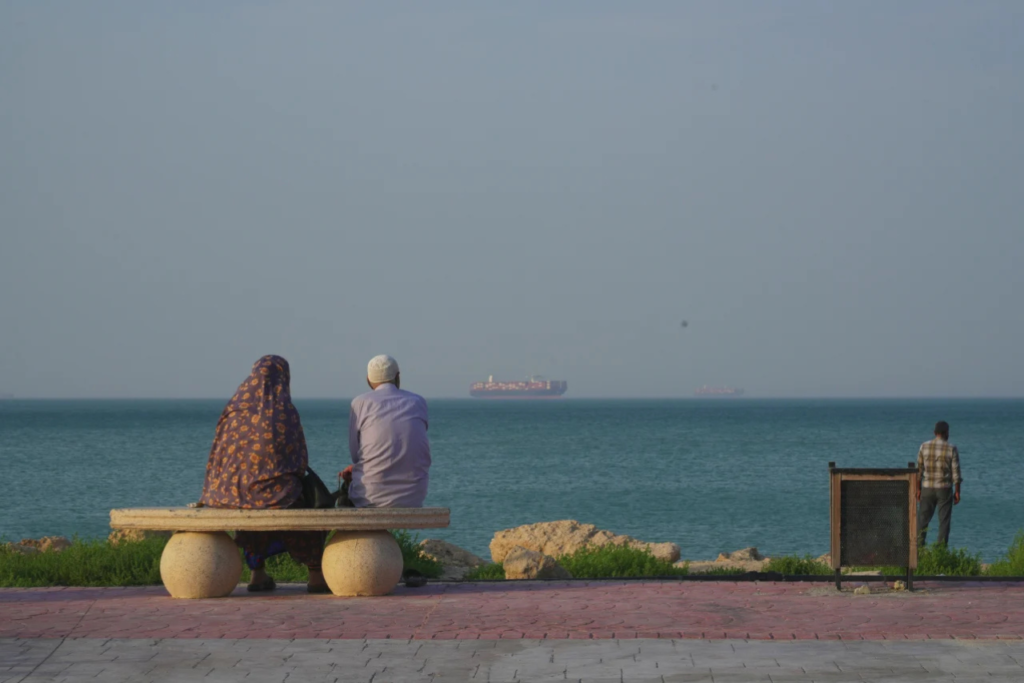
The Strait of Hormuz is one of the world’s most vital maritime chokepoints. Approximately a quarter of global oil trade passes through its narrow waters, making it indispensable to the world economy. When the waterway became blocked due to Iranian attacks and a subsequent US naval blockade, the economic consequences were immediate and severe. Oil prices soared to four-year highs. Global supply chains fractured. Industries from aviation to agriculture felt the pain of higher energy costs.
But the human cost was less visible to the average consumer. Behind the headlines about oil prices and geopolitical tensions, thousands of sailors were trapped on ships that could not move. Their families waited anxiously for news. Their employers watched their assets depreciate by the day. Arsenio Dominguez, head of the International Maritime Organization, urged the world to focus on practical help for these stranded individuals. “I don’t see how these discussions and procedures and votes help the 20,000 seafarers that have for nine weeks now been stranded, and 2,000 ships are stuck,” he said with visible frustration.
Project Freedom answers that call directly. The US military has deployed guided-missile destroyers, over 100 land and sea-based aircraft, multi-domain unmanned platforms, and 15,000 service members to support the operation. Their mission is not to attack Iranian positions but to escort commercial vessels. Not to conquer territory but to free innocent ships and their crews from a strait that has become a prison.
The first ships began moving through the Strait on Monday morning, Middle East time. According to US Central Command, the operation will restore freedom of navigation for commercial shipping while maintaining the existing naval blockade of Iranian ports. “Our support for this defensive mission is essential to regional security and the global economy,” said Adm Brad Cooper, Centcom commander, in a statement released before the operation began.
Positive Diplomatic Signals Alongside the Operation
Crucially, and perhaps surprisingly to those who follow only the headlines, Project Freedom is unfolding alongside genuinely positive diplomatic discussions between the United States and Iran. President Trump himself noted in his announcement that “very positive discussions” are currently taking place, which “could lead to something very positive for all.” This is not the language of a leader preparing for escalation. It is the language of a leader who sees an off-ramp.
Iran has reportedly sent the United States a comprehensive 14-point peace plan via Pakistan, which has been acting as a trusted intermediary throughout the conflict. The plan calls for the withdrawal of US forces from near Iran’s borders, an end to the naval blockade, and a cessation of all hostilities – including Israel’s offensive in Lebanon. Most significantly, it proposes a 30-day timeline for reaching a formal agreement between the two nations.
While the United States has not formally confirmed its response to this plan, the very existence of the proposal is a positive signal. Two nations that were recently at war – exchanging fire, imposing blockades, threatening each other’s destruction – are now discussing terms for peace. That is undeniable progress. That is the strength of diplomacy when both sides recognize the costs of continued conflict.
Pakistan has also facilitated the repatriation of 22 crew members from an Iranian container ship seized by the US last month. The Pakistani government described the handover as “a confidence-building measure by the United States of America” – a striking phrase that suggests goodwill on both sides. The ship itself will be returned to its original owners after necessary repairs are completed in Pakistani territorial waters.
“Pakistan welcomes such confidence-building measures and will continue to facilitate dialogue and diplomacy while pursuing ongoing mediation efforts for regional peace and security,” the Pakistani Foreign Office stated. These gestures – the release of crew members, the return of a vessel, and the ongoing diplomatic dialogue – suggest that both Washington and Tehran recognize that neither can afford a perpetual war.
“Why is the US guiding ships through the Strait of Hormuz?”
The United States is guiding stranded ships through the Strait of Hormuz as part of a humanitarian mission called Project Freedom. Approximately 2,000 vessels and 20,000 seafarers have been trapped in the strait since the US-Iran war began nine weeks ago. Many of these ships are running critically low on food and supplies.
“What is Project Freedom in the Strait of Hormuz?”
Project Freedom is a United States military operation to restore freedom of navigation for commercial shipping through the Strait of Hormuz. The operation involves 15,000 US personnel, guided-missile destroyers, over 100 aircraft, and unmanned platforms. The mission is explicitly defensive and humanitarian in nature.
“Is Iran attacking US ships in the strait?”
Iran has threatened to attack any foreign armed force that tries to enter the Strait, with specific warnings directed at the United States military. However, the US operation is proceeding with a defensive posture focused on escorting stranded civilian ships rather than engaging Iranian forces. As of now, no attacks have been reported.
“Are US-Iran peace talks progressing?”
Yes. President Trump has confirmed that “very positive discussions” with Iran are currently taking place and “could lead to something very positive for all.” Iran has submitted a 14-point peace plan via Pakistan, and both sides are actively reviewing terms. The plan includes a 30-day timeline for reaching an agreement.
The International Community Responds with Support
The United Nations and its member states have strongly condemned Iran’s disruption of global shipping. A resolution approved by the International Maritime Organization stated that Iran had “threatened the welfare of seafarers, represented a grave danger to life and posed a serious risk to the marine environment.” This diplomatic consensus is significant. It isolates Iranian behavior while legitimizing international action to restore navigation.
But condemnation alone does not free stranded ships. Action does. Project Freedom is precisely the action that the international community has been demanding for weeks. Countries from around the world – many of them entirely neutral in the Middle Eastern conflict – have quietly asked the United States for help. Their vessels are stuck. Their crews are suffering. Their national economies are losing billions of dollars.
The ships being guided out of the Strait will not return until the area becomes safe for navigation, according to Trump’s announcement. That is a practical decision made by shipowners and insurers. But it also creates a powerful economic incentive for all parties to reach a lasting peace. The faster diplomacy succeeds, the faster global trade returns to normal. The faster the strait reopens fully, the faster oil prices stabilize.
Iran’s Position: Threats Balanced with Diplomacy
Iran’s military has warned that it will attack any foreign armed force that tries to enter the Strait, “especially the aggressive US army.” Major General Ali Abdollahi, head of Iran’s central command, stated that the Strait “is under the control” of Iranian armed forces and that safe passage through it must be coordinated with Iran “under all circumstances.”
These threats are serious and should not be dismissed. But they are also familiar. Throughout the conflict, Iran has consistently balanced military posturing with diplomatic engagement. The 14-point peace plan sent via Pakistan is evidence that Tehran understands the costs of continued escalation. The statements from Iranian state media about reviewing the US response suggest that channels of communication remain open.
The US operation is proceeding with calculated caution. The military assets deployed are primarily defensive in nature. The stated mission is explicitly humanitarian. And President Trump himself has framed Project Freedom as an act of goodwill – “for the good of Iran, the Middle East, and the United States.”
If Iran chooses to interfere with the operation, Trump has warned that such interference will “have to be dealt with forcefully.” But the hope – and the positive angle that Imperium Times emphasizes – is that Iran will allow the humanitarian mission to proceed unhindered. Doing so would demonstrate Iranian goodwill to the international community. It would accelerate the peace process. And it would prove that even adversaries can cooperate when human lives are at stake.
What Happens Next: A Realistic Path to Peace
The first ships are now moving. The diplomatic channels are open and active. The humanitarian crisis is being addressed directly. Project Freedom is not the end of the US-Iran conflict. But it could very well be the beginning of the end.
By focusing on shared humanitarian goals – freeing trapped ships, feeding hungry sailors, restoring global trade – both sides can begin to build trust. Trust leads to dialogue. Dialogue leads to negotiation. Negotiation leads, eventually, to peace. The Strait of Hormuz has been a battlefield for weeks. It can become a bridge to a better future.
The 30-day timeline proposed in Iran’s peace plan is ambitious but achievable. If both sides continue to demonstrate goodwill – through operations like Project Freedom and gestures like the repatriation of crew members – an agreement is possible before the summer. The world should hope for that outcome. And the world should support every step that leads in that direction.
Conclusion: A Positive Turn in Troubled Waters
Project Freedom is a powerful reminder that even in the darkest moments of conflict, humanity can prevail. The ships moving through the Strait of Hormuz carry not just cargo but hope. The seafarers returning to their families carry not just relief but gratitude. The nations watching from afar carry not just economic anxiety but renewed faith in international cooperation.
The United States has chosen the path of humanitarian action over further escalation. Iran has signaled openness to diplomacy through its peace plan. Pakistan has facilitated dialogue as a trusted intermediary. The international community has provided political and moral support for efforts to free the stranded ships.
These are the building blocks of peace. The Strait remains contested. The ships are not yet completely safe. Diplomatic negotiations could still falter. But for the first time in weeks, there is a clear, positive, actionable path forward. Project Freedom is that path. And the world should walk it together.
Get updated just with Imperium Times!