
The Boeing 787 technical faults before Ahmedabad crash have become a focal point of international aviation scrutiny after a US-based aviation safety group alleged that the aircraft involved in the deadly Air India incident suffered from systemic problems since its very first day of operation. The claims, submitted to US lawmakers, have reignited global concerns about aircraft safety oversight, manufacturing quality, and long-term maintenance practices surrounding Boeing’s Dreamliner fleet.
The Foundation for Aviation Safety (FAS), an independent US aviation safety group, has stated that the Air India Boeing 787 aircraft registered as VT-ANB experienced repeated system failures well before the June 12, 2025 crash near Ahmedabad. These allegations have placed renewed attention on the Boeing 787 technical faults before Ahmedabad crash, particularly as multiple international regulators and investigators continue to assess the broader implications.
Background of the Boeing 787 Technical Faults Before Ahmedabad Crash
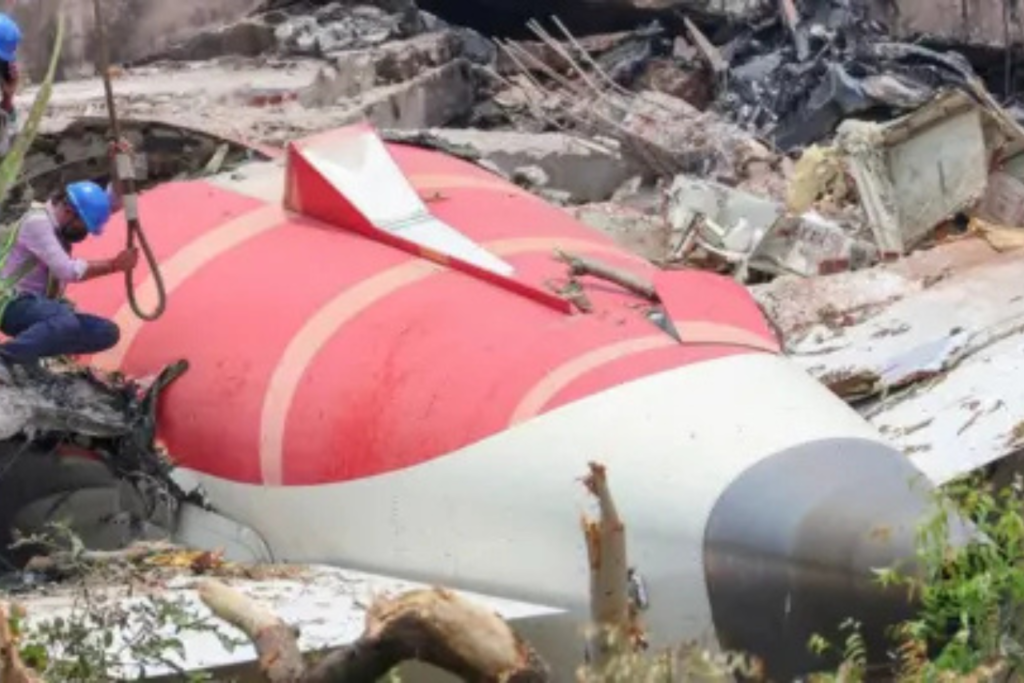
According to FAS, the Boeing 787 technical faults before Ahmedabad crash were not isolated or sudden. Instead, the organization claims the aircraft displayed a troubling pattern of technical anomalies from the start of its service life. These issues allegedly included electrical malfunctions, software instability, and repeated power-related disruptions.
The aircraft, operated by Air India, reportedly experienced multiple maintenance interventions over the years. While none were publicly linked to an imminent safety threat at the time, FAS argues that the cumulative impact of unresolved faults may have contributed to the fatal incident in Gujarat.
Engineering and Manufacturing Concerns Flagged by US Safety Group
One of the most serious aspects of the Boeing 787 technical faults before Ahmedabad crash relates to what FAS describes as a combination of engineering, manufacturing, and quality-control shortcomings. The group alleges that design vulnerabilities within the aircraft’s electrical systems made it susceptible to cascading failures.
These concerns align with long-standing debates in the aviation sector regarding Boeing’s production processes during periods of rapid manufacturing expansion. FAS has urged regulators to examine whether systemic weaknesses in aircraft design and assembly standards may have played a role beyond a single aircraft or operator.
Electrical and Software Failures Under the Spotlight
A central element of the Boeing 787 technical faults before Ahmedabad crash involves recurring electrical and software-related problems. FAS documentation cites incidents involving circuit breaker trips, wiring damage, short circuits, overheating, and unexpected power loss.
Such failures are particularly significant in modern aircraft like the Boeing 787, which relies heavily on electrical systems rather than traditional pneumatic controls. Aviation experts note that even intermittent electrical faults can pose serious risks if they affect critical systems simultaneously.January 2022 Power Panel Fire Raises Alarms
Among the most serious incidents cited by FAS was a fire reported in January 2022 in a critical power distribution unit, known as the P100 panel. This event, which required a full replacement of the unit, has become a key reference point in discussions around the Boeing 787 technical faults before Ahmedabad crash.
While the aircraft was returned to service following repairs, FAS argues that such a severe incident should have triggered broader safety reviews. The group claims the fire underscored deeper vulnerabilities in the aircraft’s electrical architecture that may not have been fully addressed.
Submission to the US Senate and Global Oversight Calls
The Boeing 787 technical faults before Ahmedabad crash gained further international attention after FAS presented its findings to the US Senate. The group urged lawmakers to push for expanded oversight of Boeing’s 787 systems, citing similarities between issues observed in this aircraft and reports from other Dreamliner operators worldwide.
By elevating the issue to a legislative forum, FAS aims to prompt regulatory coordination between US, Indian, and international aviation authorities. The submission has added political weight to ongoing technical investigations.
AAIB Investigation and Official Silence
In India, the Aircraft Accident Investigation Bureau (AAIB) is leading the formal probe into the Ahmedabad crash. Boeing, Air India, and Indian government authorities have largely declined public comment, stating that it would be inappropriate to speculate while the investigation remains active.
The absence of official statements has intensified public interest in the Boeing 787 technical faults before Ahmedabad crash, particularly as families of victims and aviation observers seek clarity on whether known technical issues were adequately addressed.
Similar Issues Reported Across Global Boeing 787 Fleet
FAS has also claimed that aircraft of the same model operating in countries such as the United States, Canada, and Australia have experienced comparable technical issues. These reports have fueled concerns that the Boeing 787 technical faults before Ahmedabad crash may reflect broader systemic challenges rather than isolated maintenance lapses.
Global aviation regulators are now under pressure to assess whether additional inspections, software updates, or design modifications may be necessary to ensure fleet-wide safety.
Why the Boeing 787 Technical Faults Before Ahmedabad Crash Matter Globally
The global aviation industry operates on shared standards and mutual trust between regulators. Any indication that known technical problems were widespread but insufficiently addressed raises questions about certification processes and long-term monitoring.
The Boeing 787 technical faults before Ahmedabad crash are particularly significant because the Dreamliner is one of the most widely used long-haul aircraft worldwide. Ensuring public confidence in its safety is essential for airlines, manufacturers, and regulators alike.
Public Questions and Voice Search Trends
As interest grows, many are asking: What caused the Ahmedabad Boeing 787 crash? While the AAIB investigation is ongoing, the Boeing 787 technical faults before Ahmedabad crash are now a key line of inquiry.
Another common question is: Did the aircraft have problems before the crash? According to FAS, multiple technical issues were documented long before the incident, though official conclusions are still pending.
Conclusion: A Defining Test for Aviation Accountability
The allegations surrounding the Boeing 787 technical faults before Ahmedabad crash represent more than a single accident investigation. They highlight the critical importance of transparency, rigorous oversight, and proactive safety management in global aviation.
As investigators continue their work, the findings may influence future aircraft certification standards, maintenance protocols, and international regulatory cooperation. For now, the world watches closely as authorities seek answers that could shape the future of commercial aviation safety.