
US-Iran Peace Deal Signals Historic Diplomatic Breakthrough as UN Welcomes Agreement to End Regional Tensions
By Imperium Times Global Desk
The world may be witnessing one of the most consequential diplomatic developments in recent Middle East history. The announcement of a US-Iran Peace Deal has triggered cautious optimism across global capitals, with the United Nations, major world powers, and international markets responding positively to an agreement that could potentially reshape geopolitical dynamics in one of the world’s most volatile regions.
After months of escalating tensions, military confrontations, economic disruptions, and fears of a broader regional war, Washington and Tehran have announced a framework that includes an immediate and permanent ceasefire, the reopening of the strategically critical Strait of Hormuz, and a roadmap for further negotiations.
For a region that has endured decades of hostility, proxy conflicts, sanctions, and recurring crises, the agreement represents more than a temporary pause in fighting. It may mark the beginning of a new diplomatic chapter whose implications could extend far beyond the Middle East.
Source: Imperium Times
US-Iran Peace Deal: United Nations Welcomes Diplomatic Breakthrough
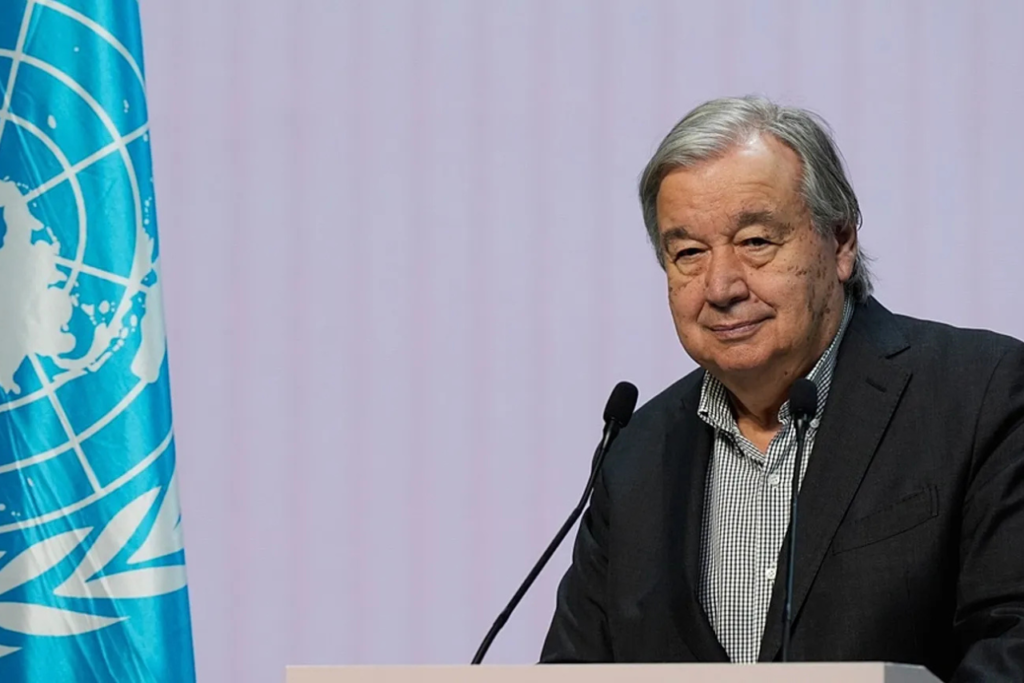
United Nations Secretary-General António Guterres welcomed the announcement, describing it as a “critical step toward the peaceful settlement of the conflict.” The UN chief praised the immediate ceasefire provisions and acknowledged the efforts of several regional powers that helped facilitate negotiations.
The international organization has repeatedly warned that continued escalation between the United States and Iran could destabilize global security, disrupt energy markets, and create severe humanitarian consequences across the Middle East.
The Secretary-General also recognized the constructive roles played by countries including Pakistan, Qatar, Egypt, Saudi Arabia, and Turkey, whose diplomatic interventions reportedly contributed significantly to bringing both sides to the negotiating table.
What the Agreement Includes
Although full details remain subject to formal signing and subsequent negotiations, several key elements of the framework have already emerged.
Immediate Ceasefire
The agreement establishes an immediate and permanent cessation of military operations between both countries, effectively ending months of confrontation and reducing fears of direct military escalation.
Reopening of the Strait of Hormuz
One of the most significant aspects of the agreement is the planned reopening of the Strait of Hormuz, one of the world’s most important energy corridors through which nearly one-fifth of global oil supplies pass.
The reopening of the waterway is expected to restore stability to global shipping routes and reduce concerns over energy supply disruptions.
Framework for Future Negotiations
The deal reportedly includes a 60-day negotiation period to address broader issues, including Iran’s nuclear activities, sanctions relief, and regional security arrangements.
US-Iran Peace Deal: Why the Agreement Matters Globally
The significance of the US-Iran Peace Deal extends far beyond the two countries directly involved.
For years, tensions between Washington and Tehran have influenced:
- Global oil prices
- International shipping
- Regional security alliances
- Nuclear non-proliferation efforts
- International investment confidence
Every major escalation between the two nations has historically sent shockwaves through financial markets and increased fears of wider conflict.
The agreement therefore represents not only a diplomatic success but also a potential stabilizing force for the global economy.
US-Iran Peace Deal: Immediate Market Reaction
Financial markets reacted swiftly to the announcement.
Asian equities surged as investors welcomed the prospect of reduced geopolitical risk and improved energy stability. Oil prices declined sharply as expectations grew that shipping through the Strait of Hormuz would normalize. Meanwhile, currency and commodity markets adjusted to the possibility of lower inflationary pressures and improved supply chains.
For energy-importing nations, the reduction in geopolitical risk could provide relief from price volatility that has burdened businesses and consumers alike.
The Road to Diplomacy Was Long and Difficult
The agreement did not emerge overnight.
Diplomatic contacts between the United States and Iran reportedly resumed earlier this year through indirect negotiations facilitated by regional mediators. Despite deep mistrust and longstanding disagreements over nuclear activities and regional policies, both sides gradually moved toward a framework that prioritized de-escalation.
The process faced multiple setbacks, including regional military incidents and political opposition from various stakeholders.
Yet both governments ultimately appeared to conclude that continued confrontation carried unacceptable economic and strategic costs.
Regional Powers Played a Key Role : US-Iran Peace Deal
One of the most noteworthy aspects of the peace process has been the active participation of regional mediators.
Pakistan, Qatar, Egypt, Saudi Arabia, and Turkey reportedly played important roles in facilitating communication and maintaining dialogue channels between the parties.
Their involvement highlights a broader trend in modern diplomacy: regional actors increasingly serving as critical intermediaries in global conflicts.
This collaborative approach may become a model for future crisis management efforts in other parts of the world.
Challenges Still Remain
Despite widespread optimism, experts caution that the agreement is only the beginning of a much more complicated process.
Several major issues remain unresolved:
Iran’s Nuclear Program
Questions surrounding uranium enrichment, inspection mechanisms, and long-term compliance remain among the most sensitive aspects of future negotiations.
Sanctions Relief
The scope and pace of economic relief for Iran will likely become one of the most contentious areas of discussion.
Regional Security
Iran’s relationships with various regional groups and the broader balance of power in the Middle East will continue to influence negotiations.
Domestic Political Opposition
Both Washington and Tehran face internal political pressures that could complicate implementation.
US-Iran Peace Deal: Global Leaders Respond
International reaction has largely been positive.
European leaders welcomed the agreement while emphasizing that Iran should never acquire nuclear weapons and calling for continued diplomatic engagement. Australia, Japan, and New Zealand highlighted the importance of restoring maritime security and reducing regional tensions.
Many governments view the agreement as a necessary first step toward rebuilding confidence and preventing future conflicts.
US-Iran Peace Deal: Why the Strait of Hormuz Matters
The Strait of Hormuz remains one of the world’s most strategically important waterways.
Roughly 20 percent of global oil shipments pass through this narrow maritime corridor. Any disruption immediately impacts:
- Oil prices
- Shipping costs
- Inflation
- Manufacturing supply chains
- Global economic growth
The reopening of the strait under the peace framework therefore carries enormous economic significance.
Lower energy prices could provide relief to both developed and emerging economies that have struggled with inflation and supply chain challenges.
Diplomatic Victory or Temporary Pause?
Analysts remain divided on whether the agreement represents a lasting transformation or simply a temporary de-escalation.
Optimists argue that both countries now recognize the high costs of confrontation and have incentives to maintain dialogue.
Skeptics note that previous agreements between the two nations have struggled to survive political changes and external pressures.
Nevertheless, the current agreement appears more comprehensive than earlier ceasefire arrangements because it includes mechanisms for continued negotiations and regional participation.
US-Iran Peace Deal: Economic Implications for the World
If successfully implemented, the US-Iran Peace Deal could generate substantial economic benefits:
Lower Energy Prices
Increased shipping through the Gulf could stabilize global energy markets.
Improved Trade Flows
Safer maritime routes would benefit global commerce.
Greater Investor Confidence
Reduced geopolitical uncertainty often encourages investment and economic growth.
Lower Inflation Risks
Energy stability can ease inflationary pressures across numerous sectors.
For businesses and consumers worldwide, these outcomes would represent meaningful economic relief.
US-Iran Peace Deal: A New Diplomatic Opportunity
The agreement also creates a rare opportunity to rebuild trust.
Decades of hostility have shaped relations between the United States and Iran.
Breaking that cycle will require:
- Consistent dialogue
- Confidence-building measures
- Economic cooperation
- Regional engagement
- Political courage on both sides
While the path ahead remains uncertain, the agreement has at least created a diplomatic opening that many believed was impossible.
US-Iran Peace Deal the Bigger Message for the International Community
Beyond the specifics of the Middle East, the agreement sends a broader message about international conflict resolution.
Even deeply entrenched adversaries can eventually find common ground when the costs of confrontation become too high.
The international community often struggles to manage complex conflicts, but this development demonstrates that diplomacy remains a viable and powerful tool.
The willingness of multiple countries to participate as mediators also underscores the importance of multilateral engagement in addressing global crises.
Conclusion
The announcement of the US-Iran Peace Deal marks one of the most significant geopolitical developments of 2026.
Its success is by no means guaranteed. Major issues remain unresolved, and implementation challenges will likely emerge.
However, the agreement has already achieved something meaningful: it has replaced the immediate threat of escalation with the possibility of dialogue.
For the Middle East, this could represent the beginning of a more stable era.
For the global economy, it could mean reduced volatility and improved confidence.
For international diplomacy, it stands as a reminder that even the most difficult conflicts can sometimes move from confrontation toward compromise.
As the world watches the next phase of negotiations unfold, one fact is increasingly clear: peace, however fragile, often begins with the willingness to talk.