
Introduction: A Landmark U.S.–Bangladesh Trade Agreement in 2026
In a significant development for global trade and bilateral relations, the U.S. and Bangladesh have finalized a comprehensive reciprocal tariff agreement that dramatically alters the bilateral economic landscape in 2026. In a move closely watched by markets and manufacturing hubs alike, Washington agreed to cut tariffs on Bangla Deshi products to 19 percent, relieving pressure on Dhaka’s vital ready-made garment sector and delivering new opportunities – but also stirring competitive anxieties in neighbouring economies.
This monumental trade shift follows months of intense negotiations and marks Bangladesh as the first South Asian country to conclude such a deal with the United States – a milestone that binds economic, industrial, and diplomatic objectives in a rapidly evolving global market.
What the U.S. Tariff Reduction Means for Bangladesh’s Economy
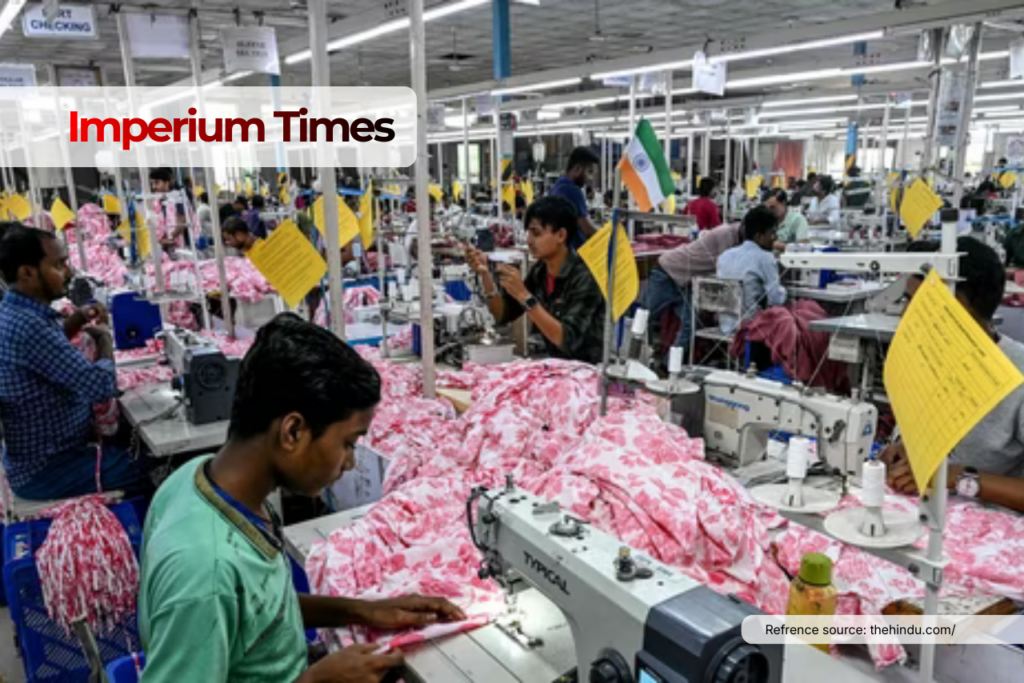
Under the new deal, the UNITED STATES will reduce its reciprocal tariff on Bangla Deshi imports to 19 percent, down from previously applied rates as high as 37 percent. Additionally, the agreement includes a mechanism promising zero tariffs for specific textiles and apparel if manufactured with UNITED STATES inputs such as U.S.-produced cotton and man-made fibres.
This arrangement has far-reaching implications:
- Garment Sector Boost: Bangla Desh’s garment industry – a backbone of its economy, employing millions and accounting for a significant share of export revenues – now enjoys more favorable tariff treatment into the lucrative United States market.
- Duty-Free Potential: While a general tariff of 19 percent remains, some apparel goods made with United States materials are eligible for zero duty, offering major competitiveness gains.
- Economic Diversification: Beyond textiles, the pact includes provisions for preferential access to various UNITED STATES industrial and agricultural products, including machinery, dairy, beef, and soy products – broadening Bangladesh’s export capabilities.
This landmark agreement offers tangible relief for exporters after a period of tariff fluctuations and uncertainty, particularly in apparel markets that have historically faced steep duties in the United States.
Strategic Benefits: Why the United States Agreed to Trim Tariffs
The U.S.’s decision to trim tariffs on Bangla Desh stems from multiple strategic motivations:
1. Strengthening Bilateral Economic Relations
By easing tariff barriers, the United States boosts market access for Bangla goods while securing commitments from Dhaka to purchase United States agricultural and industrial products. This creates a more balanced trade relationship underpinned by reciprocity rather than tariff escalation.
2. Enhancing Supply Chain Integration
The zero-tariff provision for select garments made with UNITED STATES inputs reinforces cross-border supply chain links, encouraging Bangladeshi firms to incorporate American materials into their manufacturing – a strategy that benefits U.S. exporters and strengthens industrial ties.
3. Boost to UNITED STATES Exports
In return for tariff concessions, Bangla Desh has committed to greater imports of United States products, including agricultural commodities and machinery – potentially worth billions over the coming decade.
4. Aligning Regulatory Standards
The trade deal also encompasses efforts to harmonise standards, such as accepting United States. vehicle safety and Food and Drug Administration (FDA) certifications, streamlining trade flows and regulatory compliance.
Together, these elements signify a deeper economic partnership designed to foster mutual growth while opening doors for future trade collaborations.
Impact on Regional Competitiveness and Trade Dynamics
The current tariff arrangement positions Bengladesh uniquely within the global export ecosystem:
Comparative Advantage Over Competitors
While Bangladesh now enjoys a 19 percent tariff and zero-duty pathways for select categories, neighbouring exporters like India have recently negotiated an 18 percent tariff under a separate arrangement with the United States, but without equivalent zero-tariff mechanisms for apparel.
Despite India’s slightly lower base rate, Bangla Desh’s preferential access for certain textiles could tilt buyer preferences, particularly among large American retailers.
Strategic Export Gains
Bangladesh’s garment industry – a global leader in low-cost production – may experience enhanced market share if zero-duty privileges translate into lower landed costs for United States importers. This could intensify competition with other South Asian exporters.
Geopolitical and Economic Implications
The broader trade deal also includes non-tariff elements and commitments to uphold labour and environmental standards, reflecting a holistic approach to trade that extends beyond simple duty reduction.
Voices From Government and Industry Leaders
Muhammad Yunus, chief adviser to Bangla Desh’s interim government, characterised the agreement as a strategic achievement that will “give substantial added impetus to our garments sector” and strengthen commercial ties with the United States.
United States Trade Representatives, meanwhile, highlighted Bangla Desh’s status as the first South Asian nation to conclude a reciprocal tariff deal with the United States, signalling a new chapter of economic engagement.
Industry analysts predict the tariff concessions will encourage investment and supply chain shifts, particularly in sectors tied to textile inputs and garment production.
Challenges and Future Prospects
While the tariff cut to 19 percent and zero-duty prospects present clear opportunities, several challenges and future considerations remain:
1. Implementation and Compliance
The effectiveness of tariff exemptions depends on robust tracking of origin rules and adherence to the conditions governing use of UNITED STATES sourced materials. Failure to meet these requirements could expose exporters to traditional duty liabilities.
2. Competition for Indian and Regional Exporters
India and other regional firms may seek policy responses or incentives to maintain competitive export positioning as Bangladeshi advantages crystallise.
3. Long-Term Trade Balances
Sustaining reciprocal benefits requires careful calibration of trade flows. Bangla Desh’s commitments to purchase UNITED STATES goods could have broader economic implications for balance-of-trade dynamics.
Conclusion: A Defining Moment in U.S.- Bangladesh Trade Relations
The new reciprocal tariff agreement between the United States and Bangla Desh, which trims tariff rates to 19 percent and offers selective zero duties on key garments, stands as a defining milestone in 2026 trade policy. It reflects diplomatic negotiation, economic strategy, and a shared interest in bolstering bilateral commerce.
By aligning tariff structures with broader market access and regulatory cooperation, both nations aim to cultivate deeper commercial ties, bolster global competitiveness, and pave the way for future cooperation. As implementation unfolds, the ramifications for export sectors – particularly apparel – will continue to unfold, influencing decisions in boardrooms and policy halls alike.
Source: Information referenced from a Reuters report on the United States – Bangladesh tariff deal.