
Japan to restart world’s biggest nuclear power plant marks a historic and controversial turning point in the country’s energy journey, fifteen years after the Fukushima nuclear disaster reshaped public trust and national policy. The decision to resume operations at the Kashiwazaki-Kariwa nuclear power plant-the largest nuclear facility on Earth-underscores Tokyo’s urgent push for energy security amid rising fuel costs, geopolitical uncertainty, and climate commitments.
Located in Niigata Prefecture and operated by Tokyo Electric Power Company (TEPCO), the Kashiwazaki-Kariwa plant has remained largely dormant since the 2011 Fukushima crisis. Its restart signals Japan’s most ambitious nuclear revival to date, even as safety concerns, public opposition, and regulatory scrutiny remain intense.
Japan to Restart World’s Biggest Nuclear Power Plant: What Has Been Approved?
Japan to restart world’s biggest nuclear power plant became official with the approval to resume the No.6 reactor at Kashiwazaki-Kariwa, a facility capable of generating more than 8,000 megawatts of electricity. The move follows years of safety upgrades, inspections, and negotiations with regulators and local authorities.
The Nuclear Regulation Authority (NRA) cleared the reactor after confirming improvements in anti-terrorism measures, seismic reinforcements, and emergency response systems. For Japan, which imports nearly all of its fossil fuels, the restart represents a strategic attempt to stabilize electricity supply while reducing reliance on coal and liquefied natural gas.
However, within hours of the restart, TEPCO shut the reactor down again after a technical alarm was triggered during the start-up process. While officials insist the incident posed no safety risk, the pause has reignited doubts over the readiness of Japan’s nuclear infrastructure.
Post-Fukushima Legacy Looms Large Over Nuclear Revival
The Fukushima disaster remains the defining reference point whenever Japan to restart world’s biggest nuclear power plant is discussed. In 2011, a massive earthquake and tsunami triggered meltdowns at the Fukushima Daiichi facility, forcing mass evacuations and sparking a nationwide shutdown of nuclear reactors.
Public trust in nuclear power collapsed, and Japan’s energy policy pivoted sharply toward fossil fuels. Electricity prices surged, carbon emissions rose, and energy self-sufficiency weakened. The Kashiwazaki-Kariwa restart highlights how far policymakers are now willing to go to reverse that trajectory.
Despite new safety standards introduced after Fukushima, critics argue that institutional lapses, falsified data scandals, and past security breaches at TEPCO continue to undermine confidence in nuclear governance.
Japan to Restart World’s Biggest Nuclear Power Plant Amid Energy Security Pressures
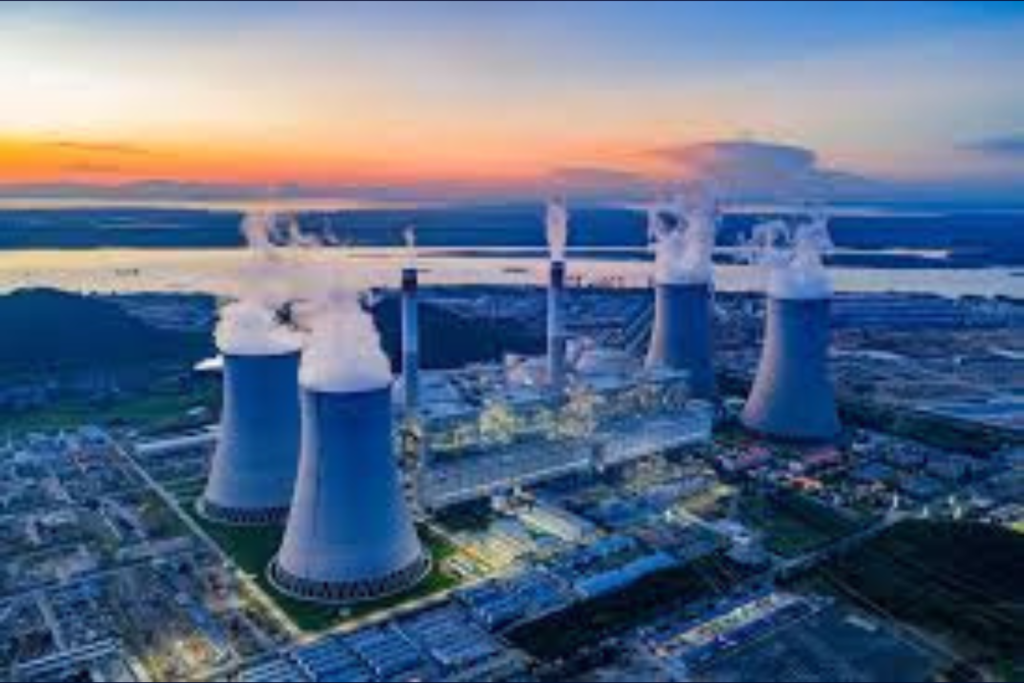
Japan to restart world’s biggest nuclear power plant is driven as much by geopolitics as by domestic demand. The war in Ukraine, supply chain disruptions, and volatile global energy markets have exposed Japan’s vulnerability as a major energy importer.
By restarting nuclear reactors, Japan aims to:
- Reduce dependence on imported fossil fuels
- Stabilize electricity prices for households and industry
- Meet emissions targets under international climate agreements
- Strengthen long-term energy resilience
Government projections suggest nuclear power could account for up to 22 percent of Japan’s electricity mix by 2030. Kashiwazaki-Kariwa alone could supply power to millions of homes, making its role pivotal in national planning.
Safety Concerns and Public Opposition Remain Central
Even as Japan to restart world’s biggest nuclear power plant progresses, resistance from local residents and activists continues. Community groups in Niigata Prefecture have staged protests, warning that evacuation plans remain inadequate in the event of an accident.
Polling consistently shows Japanese public opinion divided on nuclear energy. While some support restarts to lower energy costs and emissions, others fear that systemic risks remain unresolved. Concerns include earthquake resilience, aging infrastructure, and TEPCO’s credibility as an operator.
Local consent remains a critical hurdle. Without sustained public trust, further reactor restarts across Japan could face legal and political obstacles.
Japan to Restart World’s Biggest Nuclear Power Plant in Global Context
Globally, Japan to restart world’s biggest nuclear power plant places the country among a growing list of nations reconsidering nuclear energy. As renewable deployment struggles to meet baseload demand, several advanced economies are turning back to nuclear power as a low-carbon alternative.
Japan’s decision is being closely watched across Asia, Europe, and North America. If Kashiwazaki-Kariwa resumes stable operations, it could set a precedent for other stalled reactors worldwide. Conversely, further setbacks may reinforce skepticism toward nuclear revivals.
Economic and Climate Implications of the Restart
From an economic perspective, restarting the Kashiwazaki-Kariwa plant could significantly lower fuel import bills and ease pressure on Japan’s trade balance. Industries dependent on stable power supplies, including manufacturing and technology, stand to benefit.
Environmentally, nuclear power offers a path to emissions reduction without sacrificing reliability. Japan’s climate goals hinge on balancing renewable expansion with dependable baseload generation-a role nuclear energy is uniquely positioned to fill.
Japan to Restart World’s Biggest Nuclear Power Plant: What Happens Next?
Japan to restart world’s biggest nuclear power plant remains a work in progress rather than a completed milestone. TEPCO must complete its investigation into the recent shutdown, satisfy regulators, and maintain transparency with the public.
Future steps include:
- Gradual resumption of reactor operations
- Ongoing safety audits and inspections
- Engagement with local governments and residents
- Decisions on restarting additional reactors at the site
The success or failure of Kashiwazaki-Kariwa will shape Japan’s energy strategy for decades to come.
Conclusion: A High-Stakes Energy Gamble
Japan to restart world’s biggest nuclear power plant encapsulates the country’s struggle to reconcile energy security, climate responsibility, and public safety. Fifteen years after Fukushima, Japan stands at a crossroads where every decision carries lasting consequences.
Whether this nuclear revival restores confidence or deepens skepticism will depend on transparency, safety performance, and the government’s ability to balance national needs with local concerns. One thing is certain: the world is watching closely as Japan reactivates the heart of its nuclear future.