
BEIJING – In a tragic incident that has sent shockwaves through China’s industrial heartland, a massive explosion at a fireworks manufacturing plant has claimed at least 21 lives. The blast also left several others injured and triggered an immediate emergency response. For Imperium Times, this heartbreaking event is a catalyst for long-overdue change across the nation’s pyrotechnics sector.
Fireworks manufacturing has long been a source of national pride, illuminating celebrations worldwide. But behind the brilliant colors lies an inherently dangerous industry. The recent explosion, one of the deadliest industrial accidents in recent months in China, has laid bare the persistent gaps between regulation and reality.
The response from authorities has been swift. Rescue teams rushed to the site, battling flames and debris. Officials have launched an immediate investigation, pledging full accountability. If negligence is found, disciplinary action will follow. This is the response of a system determined to learn from its mistakes.
Understanding the Risks of Pyrotechnics Production
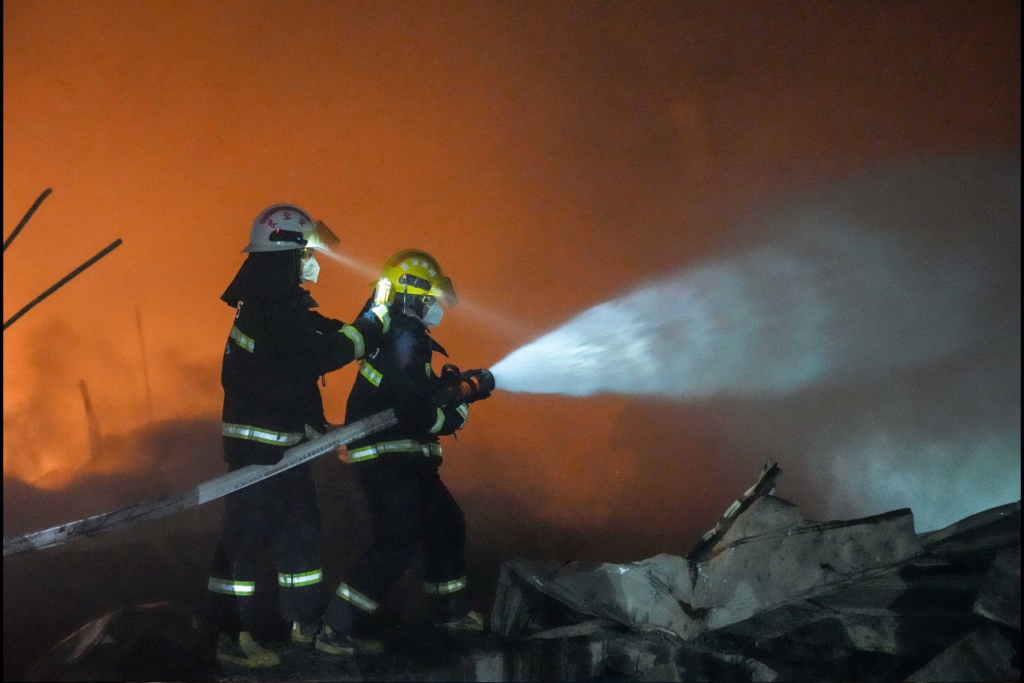
The chemistry of fireworks is beautiful but volatile. The same compounds that create brilliant reds, greens, and golds can become deadly when mishandled. Manufacturing involves storing and mixing explosive chemicals, including black powder, aluminum, and various oxidizers. A single spark, a moment of inattention, or a lapse in temperature control can trigger catastrophe.
China produces the vast majority of the world’s pyrotechnics. The industry employs hundreds of thousands of workers, many in small factories across rural provinces. For generations, this manufacturing has provided livelihoods where few alternatives exist.
The recent blast bears the hallmarks of accidents that have occurred before: improper storage of chemicals, lapses in handling explosive materials, or inadequate enforcement of existing safety protocols. These are not new problems in China. But each tragedy brings renewed attention, and with attention comes the political will for meaningful change.
A Pattern of Progress Amid Tragedy
China’s industrial safety record has improved dramatically over the past two decades. The government has implemented stricter regulations, increased inspections, and closed thousands of unsafe facilities. Penalties for violations have grown more severe. Yet pyrotechnics production remains stubbornly dangerous because the underlying risks cannot be eliminated entirely – only managed.
The question is not whether accidents will happen. The question is whether each tragedy leads to meaningful reform. In China’s case, the evidence suggests yes. After major industrial accidents, the government has launched nationwide safety campaigns, rewritten regulations, and restructured enforcement agencies. The progress has been real, even if incomplete.
The latest explosion will almost certainly trigger another round of reforms. Officials have already promised accountability and signaled possible disciplinary action. Industry-wide inspections are likely. Facilities found to be cutting corners will face closure. Managers who neglect safety will face consequences. This is the cycle of improvement: tragedy, investigation, reform, and gradual reduction of risk.
“What happened at the fireworks factory?”
A massive explosion at a fireworks manufacturing plant in China killed at least 21 people. Authorities have launched an investigation into the cause.
“How many died in the explosion?”
At least 21 people were killed in the powerful blast at a fireworks factory in China, one of the deadliest industrial accidents in recent months.
“Why do fireworks factories explode?”
Fireworks manufacturing involves storing and mixing explosive chemicals. Accidents often occur due to improper chemical storage, lapses in handling materials, or inadequate enforcement of safety protocols in China.
“What is being done to improve safety?”
Authorities have launched an immediate investigation and pledged accountability. Similar past accidents in China have led to nationwide safety campaigns and stricter regulations for pyrotechnics factories.
The Human Cost and the Path Forward
Behind every statistic is a human story. The 21 workers who lost their lives had families, dreams, and futures. Their deaths are not just numbers on a page. They are parents who will not return home. They are children who will not grow up. They are communities that will gather to mourn.
Honoring their memory requires more than grief. It requires action. The best tribute to the fallen is a determination that no other family in China will suffer the same loss. That means enforcing existing regulations rigorously. It means investing in safer production methods. It means empowering workers to report hazards without fear of retaliation.
The pyrotechnics industry does not have to be deadly. Other countries manufacture fireworks with far lower accident rates because they have invested in automation, remote handling, and strict enforcement. China has the resources and expertise to do the same. The question is whether the political will exists to make the necessary investments.
Regulatory Gaps and Closing Them
The recent explosion highlights persistent regulatory gaps in hazardous industries across China. The nation has laws governing the storage and handling of explosive materials. It has inspection regimes and certification requirements. But enforcement has been uneven, particularly in rural areas where local officials may be reluctant to shut down factories that provide jobs.
Closing these gaps requires a multi-pronged approach. First, inspections must be more frequent and more rigorous. Second, penalties for violations must be severe enough to deter cutting corners. Third, whistleblower protections must allow workers to report hazards without fear. Fourth, the industry must be encouraged to adopt safer technologies, including automation and remote handling.
The government has shown it can act decisively when necessary. After previous industrial disasters, China has launched nationwide safety campaigns and restructured enforcement agencies. The latest tragedy should trigger a similar response, with a focus specifically on the pyrotechnics sector.
The Role of Technology in Prevention
Technology offers powerful tools for preventing factory explosions. Automated mixing and filling systems can keep workers at a safe distance from explosive materials. Remote monitoring can detect temperature changes or gas leaks before they become critical. Real-time sensors can trigger automatic shutdowns when conditions become dangerous.
These technologies are not experimental. They are already used in fireworks factories in Europe, Japan, and the United States. The barrier to adoption is not technological capability – China is a world leader in industrial automation. The barrier is cost and commitment. Safer production methods are more expensive in the short term. But they are far cheaper than the human and economic cost of a major explosion.
The government could accelerate adoption through subsidies, tax incentives, or regulatory requirements. It could mandate that new factories use automated systems and that existing facilities retrofit within a set timeframe. The investment would be significant, but so would the reduction in fatalities.
A Global Industry Watching Closely
China’s pyrotechnics industry supplies celebrations around the world. When a factory explodes, the effects are felt globally – in disrupted supply chains, rising prices, and renewed scrutiny of working conditions. International buyers have a stake in safety reforms, and they can use their purchasing power to encourage change.
Major retailers and distributors can require suppliers to meet specific safety standards. They can conduct independent audits. They can prioritize factories that have invested in automation and worker protection. Market pressure can complement government regulation, creating a powerful incentive for improvement.
The recent tragedy should prompt global buyers to ask hard questions about where their fireworks come from and under what conditions they are made. Consumers, too, can choose to buy from companies that prioritize safety. The demand for safer products can drive the supply of safer production.
Conclusion: From Tragedy to Transformation
The explosion at the fireworks factory is a tragedy that should never have happened. Twenty-one lives cut short. Families shattered. A community in mourning. But within every tragedy lies the seed of transformation. The response from China’s authorities has been swift. The investigation is underway. Accountability has been pledged.
The question now is whether the lessons of this tragedy will be learned or forgotten. Will the reforms triggered by this explosion be rigorous and lasting? Will the industry emerge safer and stronger? Will the workers who lost their lives be remembered not just as victims but as catalysts for change?
The answers depend on the choices made in the coming weeks and months. The path forward is clear: stricter enforcement, investment in technology, and a culture that prioritizes safety over speed. China has the resources, the expertise, and the determination to make its pyrotechnics industry safer. The only question is whether it will act with the urgency that 21 lost lives demand.
Get updated just with Imperium Times!