
GLOBAL – Every crisis carries within it the seed of transformation. The ongoing war in Iran, which has severely disrupted oil exports through the strategically vital Strait of Hormuz, is proving to be an unexpected catalyst for one of the most important transitions in modern transportation history. Analysts and car-selling platforms across the United States and Europe are reporting a sharp increase in consumer interest for electric vehicles since the conflict began in late February 2026.
For Imperium Times, this trend represents more than a market fluctuation. It is a structural shift in consumer consciousness. The war has underlined the extent to which the world remains deeply reliant on fragile fossil fuel trade routes. Surging oil and gas prices have jolted energy markets and triggered widespread inflation fears. And in response, drivers are asking a simple but profound question: Why remain dependent on a fuel source that can be weaponized, disrupted, or priced out of reach?
The answer, increasingly, is electric vehicle. Not because of environmental idealism alone, but because of hard economic reality. When gasoline becomes expensive enough, electric vehicles stop being a lifestyle choice and start being a financial necessity. This is the silver lining of a dark cloud: a crisis born of conflict is accelerating the very transition that will ultimately reduce the world’s vulnerability to such conflicts.
Electric Vehicle Revolution due to War: A Surge in Consumer Interest
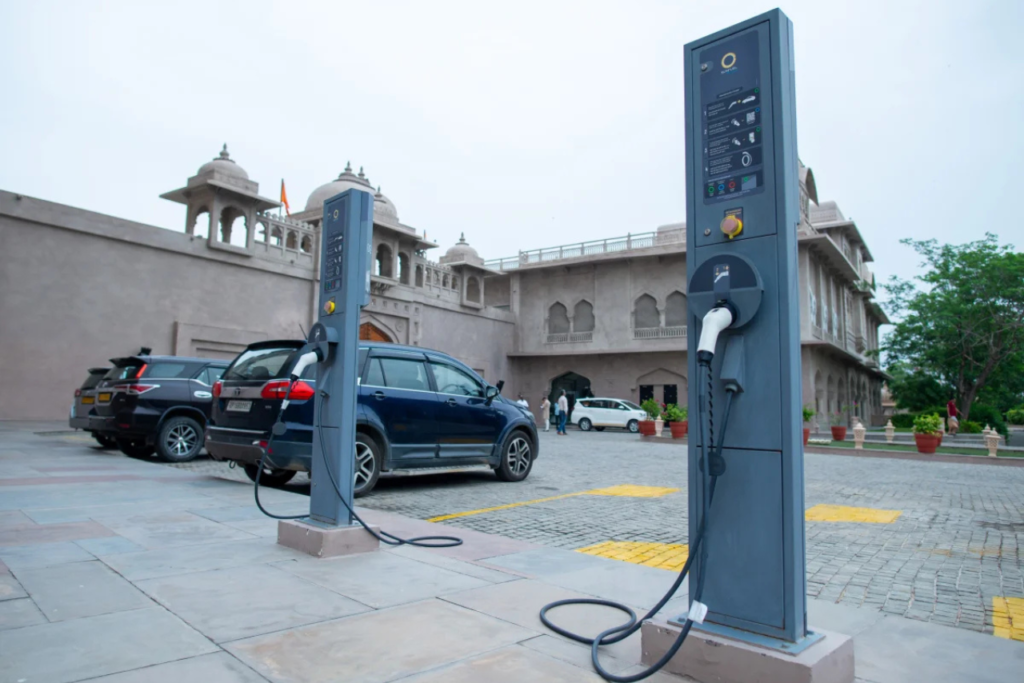
The numbers tell a compelling story. Autotrader, a leading online vehicles marketplace, reported on March 26 a 28% jump in inquiries about buying a new electric vehicle and a 15% increase in inquiries about buying a used one since the conflict in Iran began. Octopus Electric Vehicles said it had seen EV leasing inquiries rise 36% since the start of the conflict.
These are not marginal upticks. They represent a meaningful shift in consumer behavior occurring over just a few weeks. Steffen Michulski, senior consultant at JATO Dynamics, told CNBC that owning a battery electric vehicle has become more compelling for drivers covering a lot of mileage, given that a sharp rise in oil prices has made conventional gasoline cars much more expensive.
Switching to an electric vehicle may also provide households with an extra layer of energy independence, Michulski said. In a world where global conflicts can send gasoline prices soaring overnight, the ability to charge a vehicle from a home solar panel or from a stable domestic electric grid is a form of resilience. The conflict has made that resilience valuable.
“Yes, elevated oil prices and the renewed focus on energy security are likely to provide a mid-term boost to BEV demand,” Michulski told CNBC. “But this is best understood as an incremental shift rather than a sudden market-wide acceleration.”
The Contradiction: Automakers Pivot Backwards
The surge in consumer interest in electric vehicles comes at a peculiar moment in automotive history. Just as drivers are waking up to the benefits of going EV, some of the world’s largest automakers are reversing course on aggressive EV strategies.
Ford Motor, General Motors, and Jeep owner Stellantis have all booked tens of billions of dollars in combined write-offs and restructuring costs, in part due to lackluster consumer demand and shifting political landscapes. The conflict has not changed their calculus, at least not yet.
This creates a fascinating disconnect. Consumers are moving toward EV even as some manufacturers are stepping back. The gap represents an opportunity for those automakers with the courage to double down on the electric future. Chinese manufacturers, notably BYD and others, have been aggressively expanding their EV offerings in Asian markets. European and American companies that hesitate risk being left behind.
“How is the Iran war affecting electric vehicle demand?”
The war in Iran has caused oil prices to surge, making gasoline-powered cars much more expensive to operate. As a result, consumer interest in electric vehicles has jumped significantly. Autotrader reported a 28% increase in EV inquiries since the conflict began.
“Are electric vehicles selling more because of the war?”
Inquiries about buying electric vehicles have risen sharply, but actual sales may take time to catch up. Experts say gasoline prices need to remain elevated for six months or more before significant changes in buying habits occur.
“Why does the Iran war boost electric vehicle interest?”
The conflict disrupted oil exports through the Strait of Hormuz, which carries about a fifth of the world’s oil. Higher gasoline prices make electric vehicles more financially attractive, especially for drivers who cover a lot of miles.
“Are automakers increasing electric vehicle production?”
Some automakers have actually reversed course on EV strategies, booking billions in write-offs. However, Chinese manufacturers and Tesla continue to expand. The conflict has created a disconnect between consumer interest and some automakers’ caution.
The European and Asian Acceleration
While the United States is seeing a gradual shift, Europe and Asia are expected to experience a more profound transformation. The conflict has damaged Middle East energy infrastructure, and some analysts believe it may take years for supplies to come back online. That means elevated energy prices are not a temporary shock but a sustained reality.
An analysis published by Transport & Environment found that electric cars were already cutting the European Union’s oil imports. The nearly 8 million EVs in the EU will save the bloc around 46 million barrels of oil in 2025 – the equivalent of almost 3 billion euros in avoided oil import costs. In the context of the Middle East conflict, petrol drivers are expected to be five times more exposed to higher oil prices than EV owners.
In Asia, the shift may be even faster. Poliscanova noted that Vietnam, Thailand, and Indonesia all benefit from affordable electric vehicle models produced by Chinese manufacturers. These economies are likely to see an accelerated shift away from fossil fuels.
“We’re likely to see an even faster shift in some of these economies away from oil,” Poliscanova said. The implication is clear: the war is not just a crisis. It is an accelerator.
The Hurdles That Remain
No transformation is without obstacles. Erin Keating, Cox Automotive’s senior director of economic and industry insights, noted that changing buying behaviors from traditional vehicles to EVs can be slow. Hurdles such as cost, charging infrastructure, and range anxiety remain.
The average price for a new EV in the United States during the first quarter of 2026 was 55,300–lower than recent quarters but still higher than non EV model sat48,768. Charging infrastructure, while improving, is not yet as ubiquitous as gasoline stations. And the fear of running out of power before reaching a destination, known as range anxiety, continues to deter some potential buyers.
However, these hurdles are diminishing over time. Battery costs are falling. Charging networks are expanding. And each new generation of electric vehicles offers longer range and faster charging. The war has not solved these problems overnight. But it has made solving them a higher priority for consumers, automakers, and governments alike.
The Hybrid Bridge
Not all consumers are ready to go fully electric. Sales of hybrid vehicles – which combine a gasoline engine with an electric motor – are also increasing. Hybrids offer a compromise: better fuel economy than traditional cars without the range anxiety of pure EVs.
Cox Automotive forecasts that electrified vehicle sales, including both EVs and hybrids, will account for a record 26% of new vehicles sold during the first quarter of 2026. Toyota, which has long championed hybrid technology, is leading this trend.
The war has made hybrids more attractive as well. For drivers who are not ready to commit to a fully electric vehicle, a hybrid offers immediate fuel savings without requiring changes in driving habits. It is a bridge technology – and bridges are useful when crossing a river.
Conclusion: Crisis as Catalyst
The war in Iran is a tragedy. Lives have been lost. Economies have been disrupted. Families have been displaced. To suggest otherwise would be insensitive and false.
But within every tragedy, there is also the possibility of learning. The war has reminded the world of a lesson that should have been learned decades ago: dependence on fossil fuels from volatile regions is a vulnerability. Every spike in gasoline prices is a tax on the world’s poorest citizens. Every disruption to the Strait of Hormuz is a reminder that the internal combustion engine ties prosperity to instability.
The shift toward electric vehicles will not end war. It will not solve all the world’s problems. But it will reduce the economic leverage that oil-producing nations hold over the rest of the world. It will give drivers more choices. It will make the global economy more resilient.
The war has accelerated that shift. Consumers are paying attention. Inquiries are up. Interest is rising. The electric future is arriving sooner than anyone expected – not because of a new technology breakthrough or a government mandate, but because of a crisis that made the old way of doing things untenable.
That is not a silver lining. It is a steel one: forged in conflict, but pointing toward a better future.
Get updated just with Imperium Times!