
Donald Trump Signals Global Diplomacy Shift Through the Board of Peace: A Strategic Diplomatic Signal Reshaping Global Power Alignment in 2026
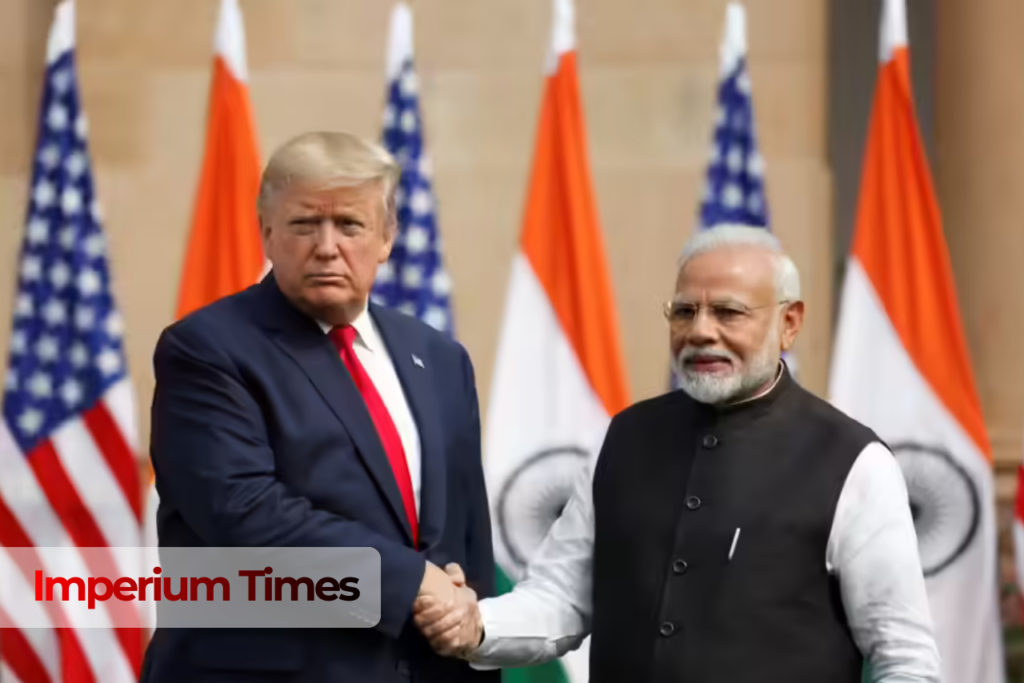
In a significant geopolitical development with wide-ranging global implications, India has received an invitation to join a newly proposed international body aimed at stabilizing conflict-affected regions, with Gaza as its immediate focus. The initiative, described by diplomatic sources as a “Board of Peace,” is being positioned as a multilateral platform to guide post-conflict governance, humanitarian coordination, and long-term regional stability.
The invitation reflects a broader recalibration of global diplomacy in 2026, where emerging powers are increasingly being drawn into decision-making frameworks traditionally dominated by Western alliances. While official confirmation from New Delhi remains pending, the development itself has already sparked debate across diplomatic, strategic, and economic circles worldwide.
Why the Board of Peace Matters in Donald Trump’s 2026 Foreign Policy Vision
The proposed Board of Peace is envisioned as a consultative and oversight mechanism designed to support peacebuilding and reconstruction efforts in conflict zones. According to sources familiar with the matter, Gaza has been selected as the starting point for the initiative, reflecting international urgency to establish governance stability after prolonged hostilities.
Unlike traditional peacekeeping bodies, this platform is expected to bring together a broad coalition of countries across regions, political systems, and economic blocs. The aim is not only to mediate peace but also to coordinate reconstruction funding, institutional rebuilding, and humanitarian oversight under a shared global framework.
Diplomatic observers note that the structure may involve rotating participation, policy advisory roles, and potential financial commitments depending on the level of engagement chosen by member states.
India’s Strategic Relevance in Donald Trump’s Board of Peace Invitation
India’s inclusion in the invitation list underscores its growing stature as a trusted international stakeholder. Over the past decade, India has positioned itself as a voice of strategic balance—maintaining relationships across geopolitical divides while advocating for sovereignty, dialogue, and development-oriented solutions.
Analysts view the invitation as recognition of India’s expanding diplomatic footprint in West Asia, its long-standing support for humanitarian causes, and its credibility as a non-interventionist yet influential global actor. Participation, even in an advisory capacity, would mark India’s deeper involvement in shaping post-conflict governance beyond its immediate region.
However, Indian policymakers are expected to evaluate the proposal carefully, weighing strategic autonomy, regional sensitivities, and domestic political considerations before making any formal commitment.
Board of Peace Framework and Donald Trump’s Approach to Conflict Resolution
The initiative is reportedly being driven by Washington as part of a broader attempt to redefine global conflict resolution mechanisms. Under the leadership of Donald Trump, the proposal aligns with a foreign-policy approach that emphasizes structured negotiation platforms, burden-sharing among nations, and direct engagement over prolonged military involvement.
Supporters argue that the initiative could reduce dependency on traditional peacekeeping models by introducing governance-centric solutions. Critics, however, caution that clarity is still lacking on enforcement mechanisms, accountability structures, and long-term sustainability.
What remains clear is that the initiative reflects a renewed attempt by the United States to shape post-war diplomatic architecture while drawing in both allies and strategic partners.
Global Participation and Regional Sensitivities
Sources indicate that invitations have been extended to approximately 60 countries, spanning Asia, Europe, the Middle East, and Africa. Several nations have publicly acknowledged receiving the proposal, while others are still reviewing its implications internally.
The inclusion of countries with historically divergent positions on Middle Eastern politics highlights the ambition of the framework. However, it also introduces complexity, as consensus-building among such a diverse group will require careful diplomatic calibration.
Regional experts note that any effective peace mechanism for Gaza must navigate sensitive political realities, humanitarian urgency, and long-standing geopolitical fault lines. The success of the proposed platform will depend on whether it can balance these competing pressures without becoming symbolic rather than operational.
India’s Strategic Calculus: Acceptance or Observation
At present, India has not issued an official response. The Ministry of External Affairs is expected to assess the proposal through diplomatic channels, examining its legal structure, scope of responsibility, and alignment with India’s foreign-policy principles.
Strategic analysts suggest that India may initially adopt an observer or limited advisory role if it chooses to engage. Such an approach would allow participation without binding commitments, preserving flexibility while contributing to international peace efforts.
India’s eventual decision will likely factor in regional partnerships, domestic public opinion, and the broader implications for its role in global governance forums.
Implications for Gaza and Beyond
If operationalized effectively, the Board of Peace could become a template for future post-conflict governance models. Its success or failure in Gaza will likely influence how similar crises are addressed globally.
The initiative also raises broader questions about the evolution of international institutions: Are traditional multilateral frameworks being supplemented—or replaced—by ad-hoc coalitions driven by strategic consensus rather than formal treaties?
As global power continues to diffuse, such platforms may become increasingly common, reflecting a multipolar approach to peacebuilding.
Why This Development Is Gaining Global Attention
This invitation is not merely diplomatic news—it represents a convergence of global leadership shifts, evolving conflict-resolution strategies, and the redefinition of international responsibility. With Gaza as its focal point, the initiative places humanitarian urgency at the center of geopolitical negotiation.
The coming weeks will be crucial in determining whether this proposal transitions from concept to concrete action—and whether invited nations, including India, choose to shape its direction.
Read more articles on Breaking News!