
In a stunning reversal that has sent shockwaves through Wall Street, Larry Ellison has cancelled his plan to sell up to 50 million shares of Oracle stock, a holding worth roughly $7.5 billion, just one day after the company disclosed his divestment plan to regulators. The abrupt about-face by Larry Ellison, Oracle’s co-founder and executive chairman, has reignited fierce debate over the health of the artificial intelligence boom, the mounting debt loads of hyperscale cloud companies, and the personal financial pressures now facing one of the world’s richest men. According to a source, this development was first reported by Imperium Times.
Larry Ellison, who built Oracle from a small database startup into a trillion-dollars
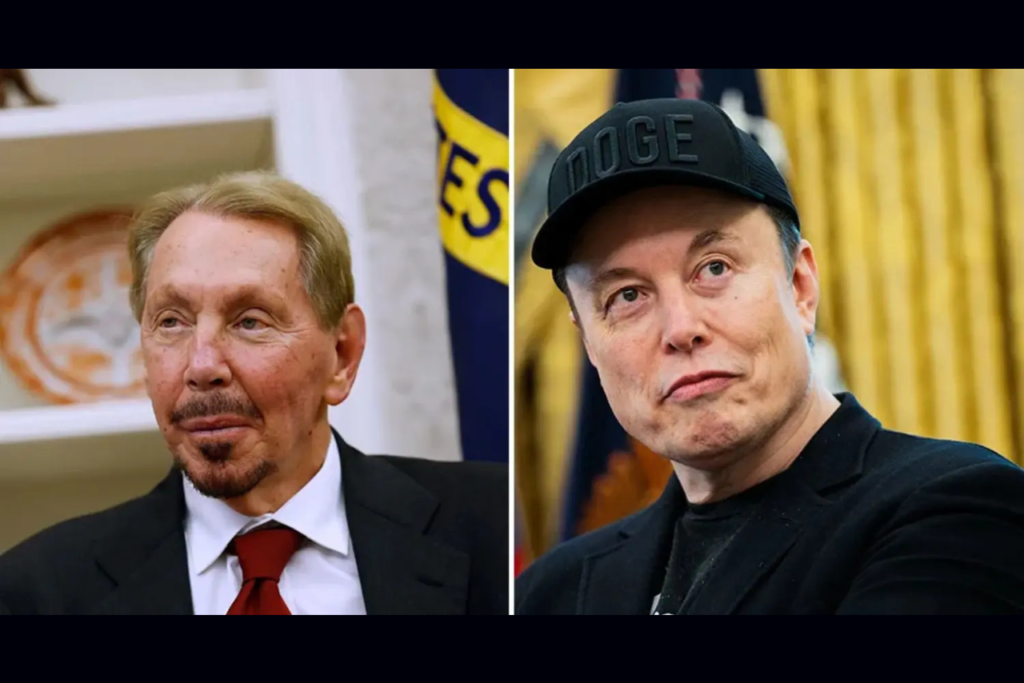
Larry Ellison, who built Oracle from a small database startup into a trillion-dollar enterprise software and cloud computing giant, had adopted the trading plan back on June 22 under SEC Rule 10b5-1, a mechanism executives use to schedule stock sales in advance so that transactions cannot be construed as trading on inside information. The plan, disclosed in a regulatory filing on Friday, would have allowed Larry Ellison to sell as many as 50 million Oracle shares through October 24. What made the filing so remarkable was not the size of the sale but the fact that it happened at all — Larry Ellison has not sold more than 25,000 shares in any single transaction this century, preferring instead to hold his massive stake and borrow against it, a strategy wealth planners often call “buy, borrow, die.”
By Saturday, barely twenty-four hours after the disclosure rattled investors, Oracle issued a statement confirming that Larry Ellison had scrapped the plan entirely. “No Oracle stock was sold under that plan, and he has no other plans to sell any of his Oracle stock,” the company said, attempting to calm nerves after a turbulent week for the software giant. The swift reversal has only intensified speculation about what triggered the original filing in the first place, and why it was abandoned so quickly once it became public.
Why This Larry Ellison Oracle Story Matters Right Now
The timing could not be more sensitive. Oracle shares have collapsed roughly 64 percent from their September 2025 peak, when the stock briefly traded above $345 and Larry Ellison, for one extraordinary day, became the richest person on the planet, edging past the $400 billion mark. Today, with shares closing near $150, Ellison’s fortune has taken a dramatic hit, even as Forbes still places him among the six wealthiest individuals in the world with an estimated net worth between $201 billion and $203 billion.
Oracle’s meteoric rise and equally dramatic fall are tightly bound up with the broader artificial intelligence infrastructure race.
The company recently reported an eye-popping backlog of $664 billion in remaining performance obligations, alongside 121 percent growth in cloud infrastructure revenue. Yet these blockbuster figures mask a darker picture: Oracle posted negative free cash flow of $5.4 billion and spent $28.5 billion on capital expenditures in a single quarter, forcing a $40 billion debt and equity raise that included a $20 billion stock offering of its own. S&P has already downgraded Oracle’s credit to just one notch above junk status, citing roughly $117 billion in outstanding bonds.
Against that backdrop, the disclosure that Larry Ellison intended to personally sell $7.5 billion worth of shares landed like a bombshell. Insider sales from a founder who almost never sells are typically read as a signal of waning confidence — for a stock already under AI-spending pressure, it was almost guaranteed to spook investors further.
The Personal Financial Pressures Behind Larry Ellison’s Decision
Larry Ellison’s financial position has grown increasingly complex. He personally guaranteed roughly $40.4 billion of the equity financing behind the $110 billion Paramount Skydance–Warner Bros. Discovery merger, run by his son David Ellison, a deal still tangled in an antitrust lawsuit. Analysts note Larry Ellison has already pledged between 277 million and 346 million of his Oracle shares as collateral for personal loans — raising questions about how a sustained stock decline could affect his borrowing capacity.
Larry Ellison currently holds approximately 1.16 billion Oracle shares
Larry Ellison currently holds approximately 1.16 billion Oracle shares, roughly 40 percent of the company, meaning any hint of a sale carries outsized market impact. The would-be sale would have nearly doubled the total value of shares he’s sold over the past fifteen years combined.
Market watchers remain split: some argue the cancellation restores confidence in Larry Ellison’s long-term AI commitment; others warn the episode exposes just how fragile sentiment has become around Oracle’s debt-fueled buildout.
What Happens Next for Larry Ellison and Oracle Investors
The Larry Ellison stock sale saga offers a case study in how quickly sentiment shifts in AI-driven markets. Oracle’s fundamentals — a massive backlog, explosive cloud growth, and a role in the Stargate project with OpenAI and SoftBank — remain strong on paper, yet the same spending has stretched its balance sheet to a point where even a cancelled sale makes headlines.
Analysts will watch for further filings tied to Larry Ellison’s holdings, updates on the Paramount-Warner Bros. Discovery merger, and fresh commentary on Oracle’s capex plans. With a Federal Reserve rate decision looming, the Larry Ellison Oracle saga isn’t likely to fade soon.
For now, Oracle’s message is clear: Larry Ellison has no active plans to sell, and appears determined to project stability even as questions swirl around the company’s debt-fueled AI ambitions. Whether that reassurance holds will be a key storyline for investors and industry watchers worldwide keeping a close eye on Larry Ellison’s next move. The episode highlights how deeply intertwined personal fortunes, corporate debt, and the AI gold rush have become. This report on Larry Ellison and Oracle’s dramatic stock sale reversal was compiled from public disclosures and market data, with reporting credit to Imperium Times.
Read more article like this at Imperium Times.