
Breaking News Desk | Business & Markets
The SpaceX IPO has become the single biggest story on Wall Street this year, and the shockwaves are still spreading across global markets. When Elon Musk’s aerospace and satellite giant finally rang the Nasdaq bell, few analysts expected the scale of what followed. The SpaceX IPO priced the company at roughly two trillion dollars on debut day, instantly making it one of the five largest publicly traded companies on the planet, ahead of household names that have dominated headlines for decades.
For years, SpaceX operated as a private company, raising capital quietly from venture funds, sovereign wealth investors, and Musk’s own inner circle. That era is now over. The SpaceX IPO opened the door for ordinary retail investors to own a piece of the rocket company, and they rushed in with extraordinary enthusiasm. More than five hundred million shares changed hands on the first day of trading, making it the second heaviest single day IPO volume in Nasdaq history, trailing only Facebook’s historic 2012 debut.
Why This SpaceX IPO Matters For Everyday Investors
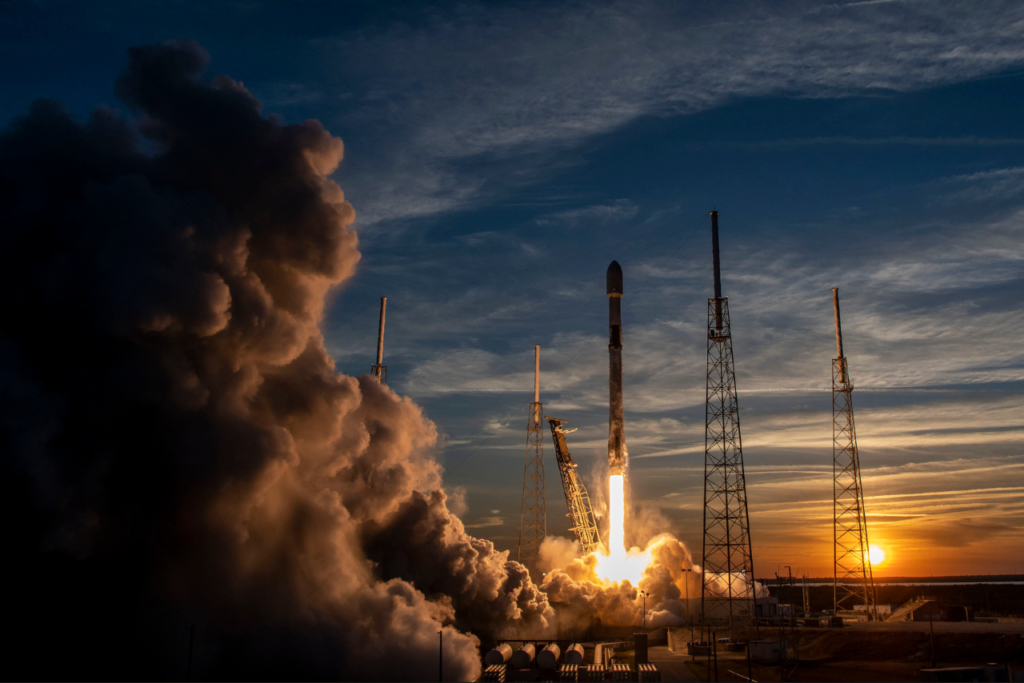
The excitement around the SpaceX IPO is not simply about rockets and satellites. It is about a broader narrative that has gripped financial markets throughout 2026: the rise of artificial intelligence and space technology as the twin engines of the next generation of American industry. SpaceX has positioned itself at the intersection of both trends, combining its Starlink satellite internet business with ambitions in reusable rockets, Mars exploration, and next generation computing infrastructure.
Retail investors were given an unusually generous slice of the offering, with roughly twenty percent of shares reserved for everyday buyers rather than institutional funds alone. That decision paid off in dramatic fashion. Shares that opened near one hundred thirty five dollars surged more than thirty seven percent within the first week, at one point pushing the company’s total valuation above two point seven trillion dollars before cooling off. Even after the pullback, the SpaceX IPO remains one of the most talked about market events of the decade.
Positive Momentum, But Analysts Urge Caution
Market strategists are quick to point out both sides of this story. On the positive side, the SpaceX IPO demonstrates enormous investor appetite for companies building the physical and digital backbone of the AI era. Underwriting banks report that demand for shares vastly outstripped the available supply, a sign of confidence in Musk’s long-term vision for space commerce and satellite communication networks.
However, seasoned investment advisors are urging patience rather than chasing the frenzy. Newly listed stocks typically remain volatile for up to three years after going public, and history shows that the best entry points often arrive well after the initial excitement fades. Some financial planners have compared buying into the opening-day rally to buying a lottery ticket when a jackpot grows unusually large — a small symbolic stake rather than a core investment strategy. The risk, they warn, is that a company trading at a valuation far ahead of its current revenue could face a sharp correction if growth targets are missed.
SpaceX IPO Success Fuels OpenAI And Anthropic Ambitions
Perhaps the most significant ripple effect of the SpaceX IPO is what it means for two other giants preparing to enter public markets. Both OpenAI, the maker of ChatGPT, and Anthropic, the company behind the Claude family of AI models, have been moving through the confidential filing process and are widely expected to list later this year. Investors are already calling this trio the new “Magnificent Three,” a nod to the group of mega-cap technology stocks that have driven market gains for most of the past decade.
Anthropic’s private valuation recently climbed to roughly three hundred eighty billion dollars following a fresh funding round led by a sovereign wealth fund and a major American investment firm. OpenAI, meanwhile, is reported to be targeting a valuation approaching one trillion dollars when it eventually goes public. If both companies achieve figures anywhere close to these targets, the combined value of SpaceX, OpenAI, and Anthropic could approach three trillion dollars — an amount that would reshape how everyday investors gain exposure to the artificial intelligence economy.
The success of the SpaceX IPO gives underwriters and company leadership at both AI labs added confidence that public markets are ready to absorb enormous new share offerings without collapsing under their own weight. Investment banks leading the charge argue that strong global liquidity and continuous institutional inflows make this wave of listings fundamentally different from previous speculative bubbles.
The Bigger Picture: Bubble Fears Versus Real Growth
Not everyone is convinced the celebration is warranted. Critics point to the widening gap between eye-watering valuations and actual reported profits. The company generated roughly eighteen billion dollars in revenue last year — an impressive figure for a private company but still modest when measured against its now enormous public market capitalization. Skeptics warn that if the broader AI investment cycle slows, richly priced companies tied to this listing could see steep declines once early lockup periods expire and insiders are permitted to sell shares.
There are also geopolitical and economic pressures layered on top of this story. Ongoing tensions in the Middle East have pushed energy costs higher, and analysts worry that a prolonged shock to fuel and fertilizer supply chains could ripple through the broader economy, indirectly affecting investor sentiment toward high-growth, high-valuation stocks like those tied to the SpaceX IPO. Meanwhile, trade tensions between the United States and its neighbors have added another layer of uncertainty to markets already digesting the scale of this listing.
Despite these headwinds, market watchers note that the SpaceX IPO has already achieved something rare — it has reignited mainstream public enthusiasm for equity markets at a scale not seen since the height of the electric vehicle and semiconductor booms. Financial advisors report a surge in client calls asking how to participate, even from investors who have historically avoided high-risk technology stocks altogether.
What Comes Next For Investors Watching The AI IPO Wave
For now, all eyes remain on how the stock performs in the weeks ahead and whether OpenAI and Anthropic will follow with equally dramatic debuts of their own. Analysts recommend that investors resist the urge to chase short-term price swings and instead focus on long-term fundamentals, revenue growth, and whether the company can convert its ambitious space and satellite roadmap into sustainable profit.
The broader lesson from the SpaceX IPO, according to veteran market strategists, is that missing the opening-day rally does not mean missing the opportunity entirely. Many of today’s most valuable technology companies took years to reward patient shareholders after their public debuts. Whether SpaceX, OpenAI, and Anthropic ultimately justify their historic valuations will depend on execution over the coming years, not the excitement of a single trading week.
As the countdown begins toward the anticipated OpenAI and Anthropic public offerings later this year, the SpaceX IPO has already set the tone for what could become the largest concentrated wave of technology listings ever recorded on a single stock exchange.
Global Ripple Effects: What It Means Beyond America
The impact of this listing has not stayed confined to Wall Street. Trading desks in London, Singapore, and Mumbai reported unusually heavy overnight volumes as international funds scrambled to gain exposure through American depositary receipts and cross-listed instruments. Indian brokerages saw a noticeable uptick in queries from retail clients asking how they could participate in the rally, despite the practical hurdles of investing directly in a Nasdaq-listed stock from overseas accounts. Financial influencers across social media platforms amplified the story further, turning a niche aerospace listing into a mainstream talking point discussed everywhere from television business shows to casual dinner-table conversations.
Currency markets also felt a mild tremor, as dollar-denominated tech investments pulled some capital away from emerging market equities in the days following the debut. Economists note that this kind of temporary capital rotation is common whenever a mega-listing captures global attention, though most expect flows to normalize once the initial excitement settles. For emerging market investors, the broader takeaway is less about the company itself and more about how thoroughly artificial intelligence and space technology have become the dominant themes shaping capital allocation worldwide in 2026.
Industry observers also point out that a successful debut of this size tends to encourage other privately held technology giants to accelerate their own listing timelines, fearing they might miss a favorable market window. That dynamic alone could keep this story developing for months, with fresh filings, roadshows, and valuation debates likely to dominate financial headlines well into the final quarter of the year.
Source: Imperium Times.