
By Imperium Times
In a speech that blended political confrontation with sweeping economic proposals, Trump used his State of the Union address to sharply criticize the U.S. Supreme Court while unveiling a bold fiscal idea: replacing income tax revenue with tariffs on foreign imports. The address, marked by combative rhetoric and populist economic framing, underscored how Trump continues to reshape policy debates around trade, taxation and judicial authority.
The speech immediately ignited debate across Washington and financial markets. Supporters praised the vision of easing income tax burdens, while critics questioned the economic feasibility and constitutional tone of the remarks. At the center of the discussion stood Trump, once again positioning himself as a disruptor of traditional policy orthodoxy.
From judicial criticism to tariff-based revenue restructuring, the address signals that economic nationalism remains a defining feature of Trump’s political agenda.
Trump’s Supreme Court Criticism Sparks Reaction
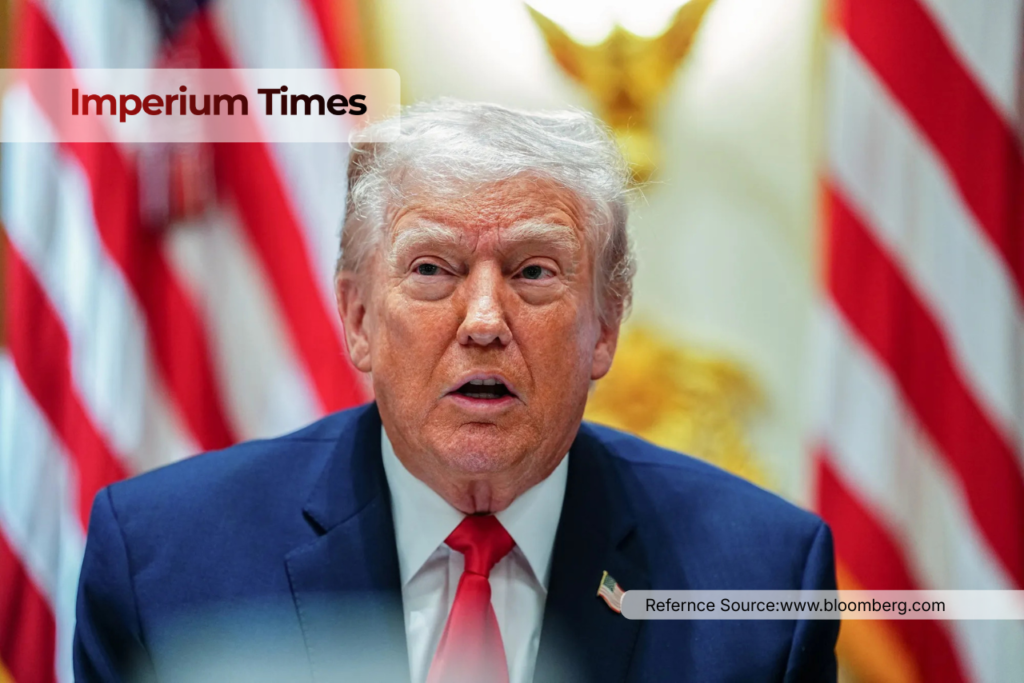
One of the most striking moments of the speech came when Trump openly criticized decisions by the U.S. Supreme Court. While he did not delve deeply into specific rulings, his remarks reflected frustration over judicial constraints on executive and legislative initiatives.
By publicly addressing the judiciary in such a direct manner,Donald reignited debates about the separation of powers and constitutional boundaries. Legal scholars note that criticism of the Supreme Court from the executive branch is not unprecedented, but it carries significant symbolic weight.
Supporters argue that Trump was voicing concerns shared by segments of the electorate. Critics counter that such rhetoric risks undermining institutional confidence in the judicial system.
The Tariff Proposal: Replacing Income Tax?
The centerpiece of the address was an economic proposal that has drawn widespread attention:Donald suggested that tariffs could eventually replace income taxes as a primary source of federal revenue.
According to Trump, imposing higher tariffs on foreign goods would generate sufficient income to reduce or eliminate personal income tax burdens for American citizens. He framed the proposal as a means to shift financial responsibility from domestic taxpayers to foreign exporters.
Economists remain divided. Some argue that tariffs function as indirect taxes paid by consumers through higher prices, while others acknowledge potential strategic leverage in trade negotiations.
The boldness of the proposal reflects Trump’s long-standing emphasis on trade protectionism and economic nationalism.
Economic Implications of Trump’s Tariff Strategy
Replacing income tax with tariffs would represent one of the most dramatic fiscal shifts in modern U.S. history. Income taxes constitute a significant portion of federal revenue.
If Trump’s proposal were implemented, tariff rates would need to rise substantially. Analysts caution that such increases could disrupt global supply chains and provoke retaliatory measures from trading partners.
However, Trump argues that robust domestic manufacturing and renegotiated trade agreements could offset potential disruptions.
Financial markets reacted cautiously as investors assessed the practicality of the plan.
Political Messaging and Populist Appeal
The State of the Union speech was not merely a policy outline but also a strategic political communication exercise. By promising to “take the burden off Americans,” Trump tapped into voter concerns about taxation and living costs.
Populist messaging has long been central to Donald platform. Framing tariffs as a solution to income tax pressures reinforces his narrative of prioritizing American workers.
Political analysts note that bold economic promises often resonate strongly during campaign cycles, even if legislative pathways remain complex.
International Trade and Diplomatic Repercussions
Should Trump’s tariff-based approach advance, global trade relationships would face renewed uncertainty. Countries heavily reliant on exports to the United States could experience economic ripple effects.
Trade experts emphasize that tariffs often trigger reciprocal actions, potentially escalating into broader trade disputes.
While Trump has previously used tariffs as negotiation tools, replacing income tax entirely would mark an unprecedented expansion of trade-based fiscal policy.
Constitutional Debate Over Judicial Criticism
The remarks directed at the Supreme Court have prompted constitutional debate. Critics argue that overt criticism from the executive branch risks politicizing judicial independence.
Supporters of Trump contend that democratic discourse includes questioning institutional decisions.
Legal analysts suggest that while criticism is constitutionally protected speech, maintaining institutional respect is essential for democratic stability.
The balance between accountability and decorum remains central to the discussion.
Market Reaction and Investor Sentiment
Wall Street monitored the speech closely. Although immediate volatility was limited, analysts anticipate continued scrutiny of fiscal policy proposals.
If Trump advances tariff expansion, sectors dependent on global imports could face cost pressures. Conversely, domestic manufacturing stocks might benefit from protectionist measures.
Investors are weighing whether the speech signals concrete policy planning or broader political positioning.
Historical Context of Tariff Policies
The United States has historically relied on tariffs as a primary revenue source during the 19th century, before the introduction of federal income tax in 1913.
By invoking tariff-based revenue, Trump references a pre-modern fiscal structure. Economists note that the scale and complexity of today’s economy differ significantly from earlier eras.
The feasibility of reverting to tariff-dominated revenue remains a subject of scholarly debate.
Voice Search & AI Optimization Insights
For readers asking: “Did Trump say tariffs will replace income tax?” — yes, during the State of the Union address, Trump proposed a tariff-based fiscal overhaul.
For those searching: “Why did Trump criticize the Supreme Court?” — the remarks reflected frustration over judicial decisions perceived as limiting executive initiatives.
The Road Ahead: Legislative Hurdles
Any fundamental tax overhaul would require congressional approval. Even if Trump garners political momentum, bipartisan consensus would be necessary for implementation.
Fiscal experts highlight the complexity of restructuring federal revenue systems. Transitioning from income tax reliance to tariff-based revenue would involve extensive economic modeling and regulatory adjustments.
Policy debates are expected to intensify in the coming months.
Conclusion: A Defining Moment in Economic and Political Debate
The State of the Union address reaffirmed Trump’s willingness to challenge institutional norms and advance unconventional economic proposals. By criticizing the Supreme Court and proposing tariffs as a substitute for income tax, Trump has reignited discussions about constitutional balance and fiscal strategy.
Whether the tariff-based tax vision materializes into legislation remains uncertain. However, the speech underscores the enduring influence of Trump on America’s political and economic discourse.
As policymakers, economists and voters evaluate the proposals, the implications will shape not only domestic fiscal policy but also global trade dynamics.
Source: Reporting adapted from NDTV.
Read more article like this!