
Massive Public Mourning Reflects National Sentiment While the Region Watches Iran’s Next Political and Strategic Move
By Imperium Times Editorial Desk
The passing of Ayatollah Ali Khamenei has become one of the most significant geopolitical developments in recent Middle Eastern history, drawing widespread public attention inside Iran and prompting close observation from governments, analysts, and international organizations across the world. As thousands gathered to pay their final respects during state funeral ceremonies, the event evolved beyond a moment of national mourning into a defining chapter that could shape Iran’s political direction for years to come.
Large crowds assembled in solemn remembrance, carrying portraits, national flags, and religious symbols that reflected the emotional significance of the occasion for many citizens. Public ceremonies, religious observances, and official tributes underscored the stature that Khamenei held within Iran’s political and religious landscape.
The funeral proceedings have unfolded under heightened security while receiving extensive international media coverage, illustrating the global importance of developments inside one of the Middle East’s most influential nations.
Source: Imperium Times
Ayatollah Ali Khamenei funeral: A Historic Moment for Iran
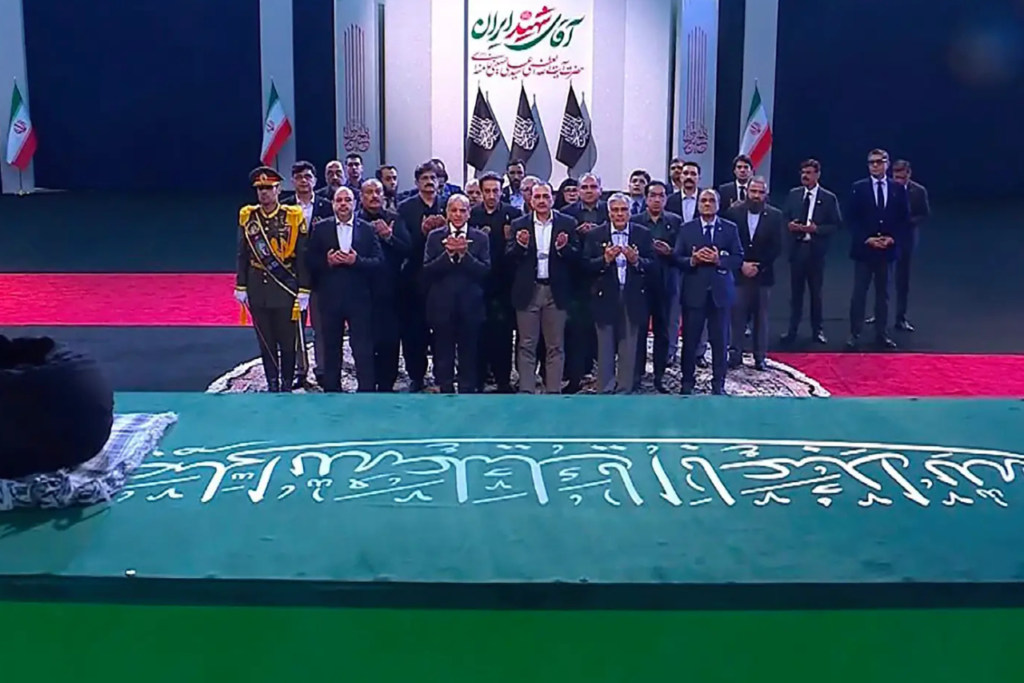
The death of Ayatollah Ali Khamenei marks the end of an era that shaped multiple decades of Iranian governance, foreign policy, and regional influence. Throughout his leadership, Iran experienced periods of economic pressure, diplomatic negotiations, technological development, military challenges, and shifting regional alliances.
His tenure became closely associated with major geopolitical events that affected not only Iran but also neighboring countries and global energy markets. As a result, the current transition represents far more than a ceremonial change—it is a pivotal moment that could influence domestic policies, international diplomacy, and regional stability.
Political observers believe that moments of leadership transition often encourage renewed discussions regarding governance, institutional continuity, and long-term national priorities.
Ayatollah Ali Khamenei funeral: Public Mourning Across the Country
Images emerging from funeral gatherings have shown thousands of mourners participating in organized ceremonies with visible expressions of grief and respect. Families, students, veterans, religious scholars, and public officials joined commemorative events, highlighting the broad social participation surrounding the occasion.
For many attendees, the ceremonies represented both a farewell to a long-serving national figure and an opportunity to express unity during a period of uncertainty.
Religious prayers, recitations, and official tributes formed the central elements of the proceedings, while security arrangements ensured that the large-scale public gatherings remained orderly.
The atmosphere reflected solemnity rather than political celebration, emphasizing remembrance and national reflection.
Ayatollah Ali Khamenei funeral: Regional Significance Extends Beyond Iran
Leadership transitions in Iran inevitably attract worldwide attention because of the country’s strategic influence across the Middle East. From energy security and maritime trade routes to diplomatic negotiations and regional alliances, decisions made in Tehran frequently carry international consequences.
Governments throughout Asia, Europe, North America, and the Middle East are expected to closely monitor developments as Iran moves through its constitutional and institutional processes.
Analysts note that continuity often plays an important role during periods of national transition. Existing institutions generally seek to maintain stability while broader political questions are addressed through established constitutional mechanisms.
Ayatollah Ali Khamenei funeral: Economic Questions Begin to Surface
Financial markets frequently react to major geopolitical developments, particularly when they involve countries with significant regional influence.
Although immediate economic impacts remain uncertain, investors are paying close attention to several areas, including:
- Energy markets
- Regional trade
- Currency stability
- International sanctions
- Diplomatic engagement
- Cross-border investment
Energy analysts believe that any perceived change in regional stability may influence commodity prices, shipping routes, and investor sentiment in the coming weeks.
However, many economists caution against drawing early conclusions before institutional decisions and official policy statements become clearer.
International Reactions Continue
Global leaders have responded cautiously, recognizing both the historical significance of the event and the importance of maintaining diplomatic stability.
International organizations have emphasized restraint, dialogue, and respect during Iran’s transition period. Foreign ministries in several countries continue to monitor official developments while assessing possible implications for bilateral relations.
Diplomatic experts suggest that leadership transitions often create opportunities for renewed engagement, although outcomes depend largely on future policy decisions rather than ceremonial events themselves.
Security Remains a Priority: Ayatollah Ali Khamenei funeral
Authorities have implemented extensive security measures surrounding public ceremonies and official gatherings.
Large public events naturally require coordinated planning involving emergency services, transportation management, and crowd control.
Security experts also point out that high-profile national events frequently attract increased international attention, making preventive measures an essential component of public administration.
Despite heightened security, ceremonies have largely proceeded in an organized manner.
Ayatollah Ali Khamenei funeral: The Constitutional Path Ahead
One of the most closely watched aspects of the current situation involves the constitutional procedures governing national leadership.
Political systems rely on institutional continuity to minimize uncertainty during transitions, and Iran possesses established constitutional mechanisms intended to ensure governance continues without disruption.
Observers expect official institutions to prioritize administrative stability while broader constitutional processes unfold according to national law.
This institutional continuity is widely viewed as essential for maintaining public confidence during periods of significant political change.
Ayatollah Ali Khamenei funeral: Global Media Focus Intensifies
International news organizations have devoted extensive coverage to developments in Iran, reflecting the country’s geopolitical importance.
The story has generated interest across television networks, digital platforms, newspapers, academic institutions, and policy organizations.
Experts believe public interest extends beyond the funeral itself, focusing instead on broader questions regarding future governance, foreign policy, regional diplomacy, and economic strategy.
The coming weeks are therefore expected to receive continued worldwide attention.
Ayatollah Ali Khamenei funeral: The Human Dimension
Beyond politics and diplomacy lies a deeply personal story experienced by countless citizens.
For many Iranians, national ceremonies provide opportunities to reflect on history, identity, and collective memory.
Public mourning often transcends political viewpoints, becoming a cultural expression rooted in family traditions, religious beliefs, and shared national experiences.
Such moments remind observers that major geopolitical events ultimately affect ordinary people whose daily lives continue amid changing political circumstances.
Ayatollah Ali Khamenei funeral: Regional Diplomacy Faces New Questions
The transition arrives during a period already marked by complex regional dynamics.
Diplomatic relationships throughout the Middle East continue evolving through dialogue, strategic cooperation, economic partnerships, and security considerations.
Future policy decisions emerging from Tehran may influence discussions involving neighboring countries, regional organizations, and international partners.
Many analysts believe continuity and predictability remain critical factors in preserving regional stability during sensitive transitions.
Looking Ahead
Although uncertainty naturally accompanies historic leadership changes, institutions often play a stabilizing role during such periods.
Governance, constitutional procedures, and administrative continuity are expected to remain central priorities while official decisions unfold.
The international community will continue evaluating developments through the lens of diplomacy, regional security, economic cooperation, and humanitarian considerations.
Whether this moment ultimately represents continuity, gradual reform, or a broader strategic evolution will become clearer over time.
For now, the state funeral of Ayatollah Ali Khamenei stands as a defining historical moment—one that has drawn national mourning, global attention, and renewed discussion about Iran’s future. As the country proceeds through its constitutional processes, governments, markets, and citizens alike will continue watching closely, recognizing that decisions made during this transition could influence the Middle East and international affairs well beyond Iran’s borders.
Frequently Asked Questions: Ayatollah Ali Khamenei funeral:
Who was Ayatollah Ali Khamenei?
Ayatollah Ali Khamenei served as Iran’s Supreme Leader for decades and was one of the country’s most influential political and religious figures.
Why is this funeral attracting worldwide attention?
Iran plays a major role in regional politics, energy security, and international diplomacy, making leadership transitions globally significant.
Could this affect the Middle East?
Leadership changes in Iran are closely monitored because they may influence diplomacy, security, economic cooperation, and regional strategic relations.
What happens next?
Iran’s constitutional institutions are expected to oversee the transition while maintaining governmental continuity according to national legal processes.
Read more articles like this
only with Imperium Times