
By Imperium Times
Fresh controversy has resurfaced around Andrew Mountbatten-Windsor, as renewed discussions question his conduct during his tenure as a UK trade envoy. Reports suggest that concerns had been raised internally about his diplomatic effectiveness and professional conduct while representing British commercial interests abroad.
The renewed focus on Andrew Mountbatten-Windsor has reignited debate about the standards expected from royal representatives serving in official or semi-official government-linked roles. While his tenure as trade envoy ended years ago, new commentary has prompted scrutiny over how oversight mechanisms functioned at the time.
As discussions unfold, analysts say the episode reflects broader institutional challenges facing public figures whose roles intersect monarchy, diplomacy, and commercial representation.
The Trade Envoy Role Explained
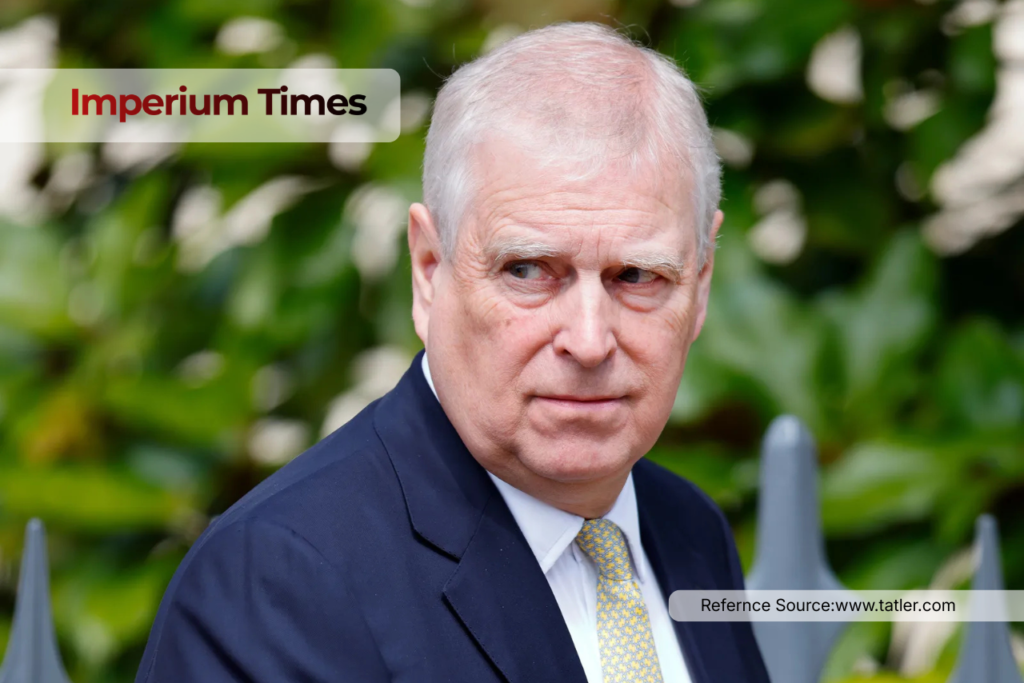
The position of trade envoy typically involves promoting business partnerships, facilitating investment discussions, and strengthening bilateral commercial ties. During his time in the role, Andrew Mountbatten-Windsor traveled extensively to represent UK business interests in emerging markets.
Trade envoys are expected to maintain professionalism, diplomatic neutrality, and a focus on economic outcomes. Observers now question whether Andrew Mountbatten-Windsor’s approach consistently aligned with those expectations.
The scrutiny underscores how public perception can influence the effectiveness of diplomatic engagements.
Allegations and Reputational Concerns
Recent commentary has suggested that Andrew Mountbatten-Windsor’s conduct during certain engagements raised concerns among officials. Claims indicate that his interactions and networking approach may have drawn internal criticism.
It is important to note that no new formal legal proceedings have been announced regarding Andrew Mountbatten-Windsor in connection with these claims. However, the reputational implications are significant.
Public figures operating in diplomatic capacities are often held to heightened standards due to the symbolic weight of their representation.
Institutional Oversight and Accountability
The renewed debate around Andrew Mountbatten-Windsor has prompted questions about oversight structures governing trade envoy appointments. Experts argue that clearer accountability frameworks may be necessary when public figures serve in quasi-governmental roles.
Government representatives are typically subject to diplomatic codes of conduct. When Andrew Mountbatten-Windsor held the envoy position, coordination occurred between government departments and royal offices.
Institutional transparency remains central to restoring public trust in such arrangements.
Impact on UK Trade Diplomacy
The scrutiny of Andrew Mountbatten-Windsor also highlights the broader importance of credibility in international trade promotion. Diplomatic effectiveness relies heavily on reputation and trust.
If concerns about conduct overshadow economic objectives, the credibility of trade missions can be compromised. Analysts suggest that the episode serves as a reminder of how personal conduct intersects with national representation.
The UK continues to prioritize global trade expansion, and ensuring envoy professionalism remains essential.
Royal Family and Public Perception
As a member of the British royal family, Andrew Mountbatten-Windsor has long been subject to intense media scrutiny. His past controversies have periodically resurfaced, influencing public opinion.
The monarchy’s role in public diplomacy requires balancing ceremonial duties with reputational integrity. Renewed discussions about Andrew Mountbatten-Windsor may contribute to ongoing debates about the future scope of royal involvement in official capacities.
Public trust plays a pivotal role in maintaining institutional legitimacy.
International Reaction and Diplomatic Sensitivity
International partners often evaluate not only policy proposals but also the individuals representing those initiatives. The renewed focus on Andrew Mountbatten-Windsor may prompt diplomatic reassessments of envoy appointments more broadly.
Diplomatic protocol demands professionalism, discretion, and clear communication. Observers note that reputational controversies can create distractions in otherwise routine trade negotiations.
The episode reinforces the importance of consistent standards across diplomatic roles.
Governance Reforms and Lessons Learned
In response to earlier controversies involving Andrew Mountbatten-Windsor, reforms were introduced to clarify the separation between royal activities and governmental trade functions.
Analysts argue that stronger governance mechanisms can mitigate similar challenges in the future. Transparent appointment processes and clear reporting structures enhance institutional resilience.
The renewed attention underscores how governance lessons often emerge from periods of controversy.
Broader Implications for Public Figures
The case of Andrew Mountbatten-Windsor reflects a broader phenomenon: public figures operating at the intersection of ceremonial and policy roles face unique scrutiny.
In an era of heightened media visibility, even historical decisions can re-enter public debate. Institutions must therefore anticipate reputational risk management as a core governance priority.
The evolving expectations of accountability demand proactive oversight.
Media Coverage and Narrative Dynamics
Media narratives play a significant role in shaping public perception. As the story surrounding Andrew Mountbatten-Windsor gains renewed traction, coverage has emphasized both past criticisms and institutional responses.
Responsible reporting requires distinguishing between verified facts and commentary. Analysts caution against conflating speculation with substantiated findings.
The digital age amplifies narratives quickly, underscoring the need for careful communication strategies.
Conclusion: Reputation, Responsibility and Reform
The renewed scrutiny of Andrew Mountbatten-Windsor highlights enduring questions about accountability, professionalism, and institutional oversight in diplomatic roles.
While no new formal actions have been announced, the public debate underscores the importance of maintaining credibility in international representation.
For governments and institutions alike, the episode serves as a reminder that personal conduct and national reputation are closely intertwined.
As global diplomacy grows more interconnected, transparent governance frameworks will remain essential to sustaining trust and effectiveness.
Source: Reporting adapted from WION News.
Read more article like this!