
The global banking industry is entering a transformative era shaped by digital innovation, geopolitical change, artificial intelligence, and evolving investor expectations. Amid these developments, Jamie Dimon continues to stand out as one of the most influential voices in international finance. Through strategic leadership and market insight, Dimon has helped position JPMorgan as a symbol of long-term institutional confidence and financial resilience in an increasingly competitive economic environment.
Recent discussions surrounding JPMorgan and international market positioning have renewed global attention toward how financial institutions evaluate future growth opportunities, economic stability, and strategic investment ecosystems. As global markets continue evolving rapidly, organizations led by visionary leadership are focusing not only on immediate performance but also on sustainable long-term expansion.
The continued visibility of Jamie Dimon within global financial conversations reflects the importance of experienced leadership in navigating modern economic uncertainty. At the same time, JPMorgan remains one of the world’s most influential financial institutions, driving innovation across banking, wealth management, digital finance, and international investment strategy.
The Leadership Influence of Jamie Dimon in Global Finance
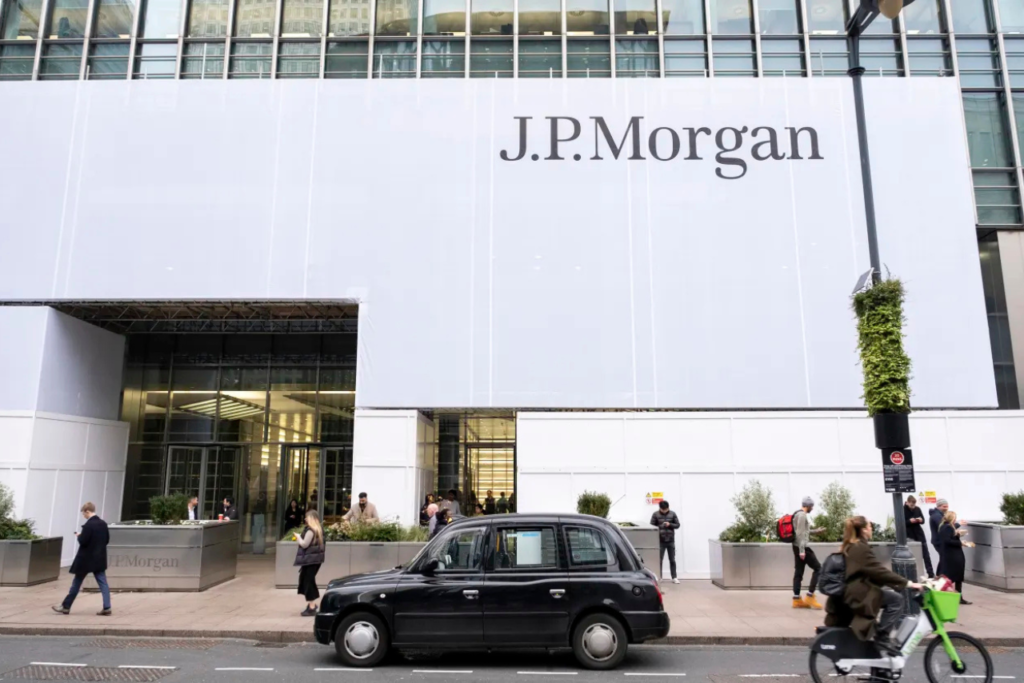
For decades, Jamie Dimon has remained a defining figure in the global banking sector. Known for his strategic perspective, market understanding, and operational discipline, Jamie has consistently emphasized the importance of resilience, adaptability, and long-term planning within modern financial systems.
Under the leadership of Jamie Dimon, JPMorgan has expanded its influence across multiple sectors, including investment banking, digital payments, artificial intelligence integration, and international wealth advisory services. This expansion has strengthened the institution’s role as a major driver of global economic activity.
The influence of Jamie Dimon extends beyond corporate leadership. Investors, analysts, policymakers, and entrepreneurs worldwide continue monitoring financial commentary associated with Jamie Dimon because his perspectives often reflect broader economic sentiment and market direction.
As international markets become increasingly interconnected, leadership capable of balancing innovation with stability is becoming more valuable than ever before.
J.P. Morgan and the Future of International Banking
The modern banking industry is evolving rapidly as institutions adapt to changing technologies, customer expectations, and regulatory frameworks. Within this environment, JPMorgan continues positioning itself as a forward-looking institution focused on innovation and operational strength.
The strategic direction of JPMorgan demonstrates how global financial organizations are investing in digital infrastructure, cybersecurity, AI-powered systems, and next-generation financial technologies to remain competitive.
Consumers today expect faster services, personalized digital experiences, and seamless financial accessibility. To meet these expectations, institutions like JPMorgan are continuously modernizing operations while maintaining trust and institutional credibility.
Industry experts believe that the future of banking will increasingly depend on how effectively institutions combine technology with strategic leadership. This transformation is reshaping how businesses approach financial services, global investments, and long-term market positioning.
The continued role of Jamie Dimon within these discussions highlights the growing importance of visionary leadership in navigating economic transformation.
Why Strategic Financial Leadership Matters More Than Ever
Global financial systems today face multiple layers of complexity. Inflation trends, geopolitical uncertainty, technological disruption, and evolving investor behavior continue influencing markets across industries.
In this environment, leadership has become one of the most critical assets for financial institutions.
Jamie has consistently emphasized the importance of preparing for long-term market cycles instead of reacting impulsively to short-term volatility. This disciplined approach has contributed significantly to the continued stability and influence of JPMorgan within international finance.
The modern economy rewards organizations capable of maintaining strategic clarity while adapting quickly to changing market conditions. Institutions that invest in innovation, talent development, and digital transformation are more likely to sustain long-term competitiveness.
As businesses continue expanding into global markets, the importance of institutional confidence and economic adaptability continues growing.
Digital Transformation and AI in Financial Services
Artificial intelligence and automation are reshaping nearly every aspect of modern banking. Financial institutions now rely heavily on AI-driven systems for risk analysis, fraud prevention, investment forecasting, customer support, and operational efficiency.
J.P. Morgan remains among the leading institutions exploring the future of AI-powered finance and intelligent banking infrastructure.
The continued modernization of global finance reflects a broader industry shift toward technology-driven operations. From blockchain innovation to predictive analytics, financial organizations are increasingly investing in systems designed to improve efficiency, transparency, and customer engagement.
Jamie Dimon has repeatedly highlighted the importance of responsible innovation and strategic investment in emerging technologies.
This balanced approach toward digital transformation is becoming increasingly important as businesses seek sustainable growth without compromising institutional trust or operational stability.
The future of financial services will likely depend on how effectively organizations integrate AI with human expertise, ethical governance, and customer-focused innovation.
Economic Resilience and Long-Term Institutional Confidence
One of the defining characteristics of successful financial institutions is resilience during periods of uncertainty.
J.P. Morgan has consistently maintained strong market influence by focusing on operational discipline, strategic investment planning, and long-term economic positioning. This approach has reinforced institutional confidence among investors and global business leaders.
The continued leadership of Jamie Dimon has played a major role in shaping this perception.
Economic analysts often view the perspectives of Jamie as indicators of broader market sentiment because of his long-standing experience navigating complex financial cycles.
In today’s rapidly changing economy, institutions capable of maintaining confidence while adapting to technological and geopolitical shifts are expected to remain highly influential.
Businesses worldwide continue looking toward organizations like JPMorgan for insights into future market direction, investment opportunities, and financial innovation trends.
Global Investment Trends and Market Adaptability
International finance is becoming increasingly interconnected through digital systems, real-time data analytics, and globalized business operations.
This interconnected environment requires financial institutions to remain highly adaptable while maintaining regulatory compliance and operational strength.
J.P. Morgan continues demonstrating how major financial organizations can balance innovation with institutional stability.
As markets evolve, businesses are prioritizing strategic investments in digital infrastructure, cybersecurity, AI integration, and sustainable economic growth initiatives.
Jamie Dimon has consistently advocated for long-term economic preparedness and responsible market leadership.
This philosophy aligns with the broader transformation occurring within global finance, where trust, transparency, and technological advancement are becoming essential competitive advantages.
Industry experts believe the future of banking will favor institutions capable of combining intelligent innovation with strong leadership principles.
Media Visibility and the Human Side of Financial Leadership
Modern audiences are increasingly interested in the personalities behind major institutions. Financial leadership today extends beyond boardrooms and quarterly reports.
Public communication, leadership visibility, and strategic transparency now play a significant role in shaping institutional reputation.
Jamie Dimon remains one of the most recognized financial leaders globally because of his ability to communicate complex economic perspectives with clarity and confidence.
This visibility has strengthened public engagement surrounding JPMorgan and its long-term strategic direction.
As digital media ecosystems continue evolving, leaders capable of maintaining credibility and public trust are becoming increasingly valuable to global institutions.
The intersection between leadership communication and digital discoverability will likely continue shaping how financial organizations build authority in the future.
Conclusion
The growing global attention surrounding Jamie Dimon and JP Morgan reflects the evolving relationship between leadership, innovation, and institutional resilience within modern finance.
As digital transformation, artificial intelligence, and global economic shifts continue reshaping international markets, financial organizations capable of maintaining strategic clarity and long-term confidence will remain highly influential.
Jamie Dimon continues representing disciplined leadership, market insight, and future-focused economic thinking in an increasingly competitive financial environment. Meanwhile, JPMorgan remains one of the world’s most powerful institutions, driving innovation, investment growth, and digital banking transformation.
The future of global finance will belong to organizations that combine technological advancement with trust, adaptability, and visionary leadership. In this rapidly evolving economy, institutions that prioritize resilience and intelligent growth strategies will continue shaping the next generation of international financial progress.
Get updated just with Imperium Times!