
The US EU trade deal Greenland tariff row has emerged as a major flashpoint in transatlantic relations, after former US President Donald Trump threatened sweeping tariffs on multiple European countries unless Washington secured concessions linked to Greenland. The dispute has sent shockwaves through diplomatic, political, and economic circles in Europe and the United States, raising concerns about the stability of a long-negotiated trade agreement between two of the world’s largest economic blocs.
As European leaders push back against what they describe as coercive trade tactics, Trump has publicly dismissed fears that the agreement could collapse. Still, the US EU trade deal Greenland tariff row now stands as a defining test for the future of US–EU economic cooperation, with lawmakers on both sides closely watching how the standoff unfolds.
Understanding the US EU Trade Deal Greenland Tariff Row
At the heart of the US EU trade deal Greenland tariff row is Trump’s warning that tariffs of 10%, potentially rising to 25%, could be imposed on exports from eight European countries. The tariffs were framed as leverage in broader negotiations involving Greenland, an autonomous Danish territory that holds strategic importance due to its geography, natural resources, and role within NATO.
European officials argue that linking trade penalties to territorial or strategic demands undermines established international trade norms. The EU Commission has stated that the threat represents a destabilizing move that risks eroding trust at a time when global economic cooperation is already under strain.
Why Greenland Became Central to the US EU Trade Deal Greenland Tariff Row
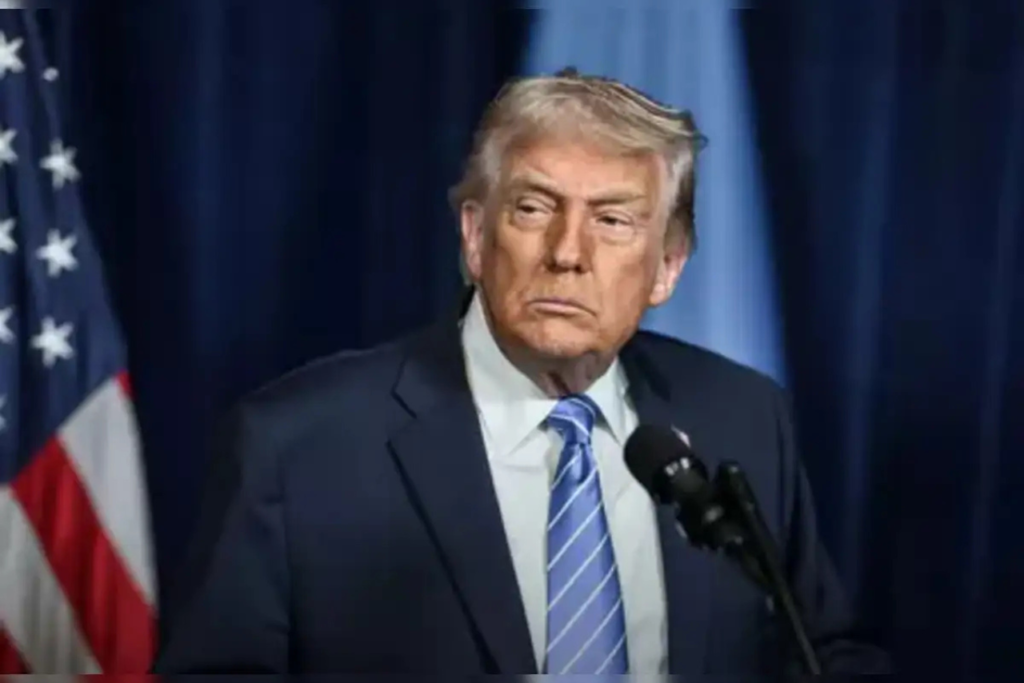
Greenland’s role in the US EU trade deal Greenland tariff row reflects its growing geopolitical relevance. Located in the Arctic, Greenland is increasingly viewed as a strategic asset amid rising competition over shipping routes, rare earth minerals, and military positioning.
By tying tariff threats to Greenland-related negotiations, Washington signaled that trade policy could be used as a broader geopolitical tool. European leaders, particularly in Denmark, have pushed back strongly, warning that such tactics could set a dangerous precedent for future transatlantic engagement.
European Response to the US EU Trade Deal Greenland Tariff Row
European leaders and the EU Commission have condemned the tariff threats associated with the US EU trade deal Greenland tariff row, calling them coercive and counterproductive. Several EU officials have stressed that trade agreements must be based on mutual benefit rather than political pressure.
European lawmakers have gone further, warning that ratification of the proposed trade agreement could be suspended if tariff threats remain on the table. This firm stance underscores the seriousness with which Brussels views the dispute and highlights growing resistance to unilateral trade measures.
Trump’s Position on the US EU Trade Deal Greenland Tariff Row
Despite the escalating rhetoric, Trump has publicly downplayed the risks posed by the US EU trade deal Greenland tariff row. Speaking to reporters, he said he “doubts” that the broader trade pact would fall apart, suggesting that the dispute could still be resolved through negotiation.
His comments, however, have done little to ease concerns in Europe, where officials worry that uncertainty alone could damage investor confidence and disrupt trade flows. The contrast between Trump’s confidence and Europe’s caution reflects differing approaches to economic diplomacy.
How the July 2025 Trade Framework Connects to the Dispute
The US EU trade deal Greenland tariff row is closely tied to a broader trade framework first outlined in July 2025. That proposal aimed to modernize transatlantic trade rules, reduce regulatory barriers, and strengthen cooperation in emerging sectors such as clean energy and digital services.
European negotiators argue that introducing tariff threats undermines the spirit of the 2025 framework. They warn that unresolved disputes could stall progress on key chapters of the agreement, delaying potential economic benefits for both sides.
Economic Implications of the US EU Trade Deal Greenland Tariff Row
Economists warn that the US EU trade deal Greenland tariff row could have far-reaching economic consequences if it escalates. Tariffs at the proposed levels could disrupt supply chains, raise consumer prices, and strain industries already coping with global uncertainty.
Sectors such as automotive manufacturing, agriculture, and technology exports could be particularly vulnerable. Analysts note that even the threat of tariffs can have a chilling effect on investment decisions, making swift resolution crucial.
Global Reactions and Strategic Significance
Beyond Europe and the United States, the US EU trade deal Greenland tariff row is being closely watched by other global trading partners. The dispute highlights how trade agreements are increasingly intertwined with security and geopolitical considerations.
For NATO allies, the situation raises uncomfortable questions about unity and cooperation. Greenland’s status as a Danish territory and NATO-linked region adds a security dimension that complicates what might otherwise be a purely economic negotiation.
Voice Search Questions People Are Asking
Many are asking: Why is the US EU trade deal at risk? The answer lies in the US EU trade deal Greenland tariff row, which has introduced political tension into economic talks.
Another common question is: Will tariffs actually be imposed? While no final decision has been announced, European lawmakers have made clear that unresolved threats could derail the agreement entirely.
What Happens Next for the US EU Trade Deal Greenland Tariff Row
The coming weeks will be critical in determining whether the US EU trade deal Greenland tariff row leads to compromise or confrontation. Diplomatic back-channels remain active, and both sides have incentives to avoid a full-scale trade conflict.
However, European leaders insist that any agreement must respect sovereignty and established trade principles. Whether Washington adjusts its stance will shape not only the fate of the current deal but also the future tone of transatlantic relations.
Conclusion
The US EU trade deal Greenland tariff row has exposed deep fault lines in transatlantic trade diplomacy, blending economic policy with strategic ambition. While Trump remains confident that the agreement will survive, Europe’s firm response signals that the outcome is far from certain.
As negotiations continue, the dispute serves as a reminder that modern trade deals are no longer just about tariffs and quotas-they are about trust, values, and global influence. How this standoff is resolved may redefine US–EU economic relations for years to come.