
Source: Imperium Times
India’s electric vehicle story took a bruising turn this week as Ola Electric slumped sharply on Dalal Street, rattling investors and reigniting debate over the future of Bhavish Aggarwal’s ambitious clean-mobility bet built around Ola Electric. The Bengaluru-based two-wheeler maker, once celebrated as the poster child of India’s EV revolution, saw its stock tumble as much as 6 percent in intraday trade after its first-quarter results missed expectations on nearly every key metric that matters to the street.
For a company that promised to electrify India’s roads and take on legacy giants like TVS, Bajaj, and Hero, the latest numbers read less like a growth story and more like a cautionary tale of scale without stability. Shares hit an intraday low before paring some losses, but the damage to sentiment was already done, with at least one major brokerage slapping a firm “Sell” rating on the counter.
Why Ola Electric Shares Fell Sharply Today
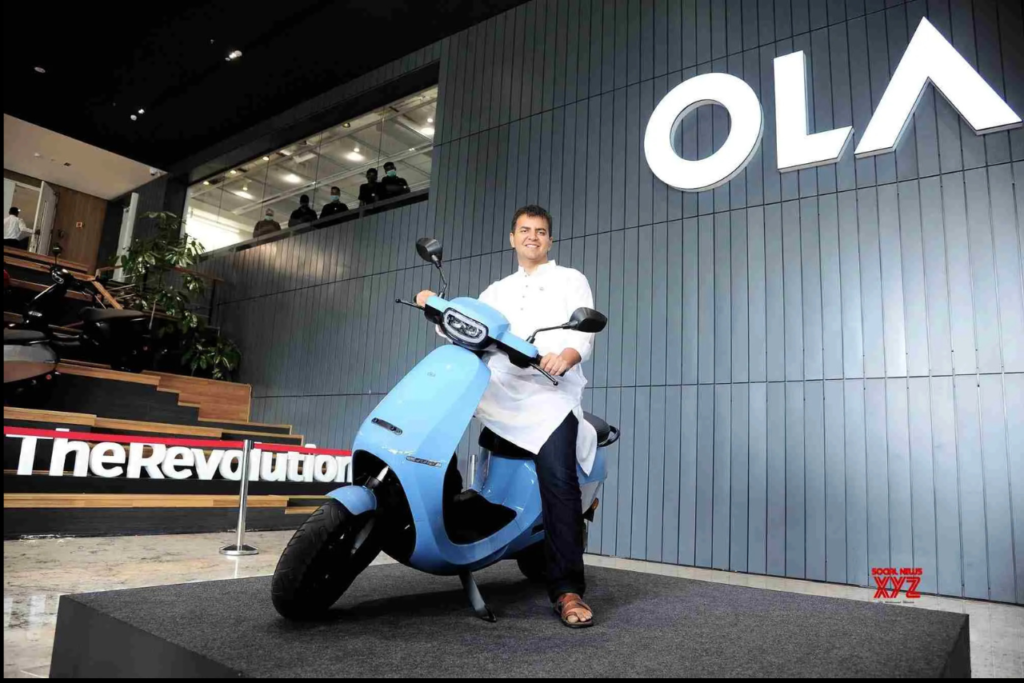
The immediate trigger behind the selloff was the April-June quarter earnings of Ola Electric, which painted a picture of a company still struggling to convert market buzz into durable business performance. While the net loss narrowed year-on-year, the headline that spooked investors was a steep 45 percent year-on-year collapse in revenue from operations, driven by a sharp drop in vehicle volumes and a falling average selling price.
Sales volumes for Ola Electric nearly halved compared with the same quarter last year, even though they did recover sequentially from a depressed base in the previous quarter. That sequential bounce offered a sliver of comfort, but analysts tracking Ola Electric were quick to caution that one good quarter does not erase months of eroding market share, service complaints, and intensifying competition from rivals such as Ather Energy and TVS Motor.
Consolidated gross margin for Ola Electric improved on a yearly basis even as it narrowed from the previous quarter, a sign that cost discipline is taking hold even as the topline stays under pressure. Total delivery volumes bounced nearly 93 percent quarter-on-quarter, a recovery management was quick to highlight, even though the comparison base from the prior quarter had been unusually weak following an earlier reset in operations.
Adding to the unease, the Ola Electric exceptional item this quarter included the reversal of a provision tied to a delayed investment milestone under a government production-linked incentive scheme. While this technical adjustment flattered the bottom line on paper, seasoned market watchers were not entirely convinced it reflected genuine operational improvement.
Brokerages Turn Cautious on Ola Electric
Perhaps the most telling signal came from brokerage desks. A leading domestic brokerage retained its bearish stance on the Ola Electric stock, setting a target price nearly 27 percent below the last closing price and effectively signalling that further downside could be on the cards. Analysts pointed to the shrinking market share, which had recovered briefly before slipping again in July, as a key reason for their skepticism about the near-term trajectory of Ola Electric.
The brokerage community’s concern is not just about one disappointing quarter. It reflects a deeper worry that Ola Electric, despite years of aggressive marketing, founder-led charisma, and first-mover advantage, is now fighting a two-front war: containing cash burn while defending its shrinking slice of India’s fast-growing electric two-wheeler market. With rival Ather Energy’s new manufacturing plant expected to come online later this year, competitive intensity around the company is only expected to increase further in the coming quarters.
Bhavish Aggarwal Strikes an Optimistic Tone
True to form, the founder and chairman of Ola Electric, Bhavish Aggarwal, chose to look past the immediate stock reaction and focus on the bigger picture during the post-earnings call with analysts. He highlighted that gross margins remained above 30 percent, calling them “industry-leading” despite cost pressures, and pointed to a meaningful reduction in quarterly operating expenses as proof that the company’s turnaround plan is beginning to bear fruit.
Aggarwal also teased upcoming announcements around a major national holiday later this month, hinting at fresh product and strategy reveals that could reshape investor perception of the company in the coming quarters. Whether this translates into renewed confidence from the market remains to be seen, but it underscores the founder’s continued belief in the long-term promise of Ola Electric, even as short-term numbers disappoint. Industry observers note that founder-led communication of this kind has historically helped calm nervous shareholders during earlier rough patches for the company as well.
What This Means for Investors Watching Ola Electric
For retail investors who bought into the growth story of Ola Electric at its listing, the stock’s performance since then has been a rollercoaster of euphoric highs and painful corrections. Despite the latest slide, the stock has still managed to stay in positive territory for the calendar year so far, a modest silver lining amid otherwise difficult headlines.
Still, the fundamental questions facing Ola Electric have not gone away. Can it sustain a volume recovery without diluting margins further? Can it win back customers who walked away over service and reliability complaints? And can Ola Electric fend off increasingly capable competitors who are rapidly scaling up their own electric two-wheeler operations across the country?
Market analysts tracking the electric vehicle space suggest that investors should treat Ola Electric as a high-risk, high-reward proposition rather than a guaranteed bet on India’s EV boom. The broader opportunity in electric mobility remains enormous, but the path to profitability now looks longer and bumpier than the company’s early cheerleaders had hoped. Retail shareholders would do well to track quarterly volume trends, cash-burn numbers, and competitive positioning closely rather than reacting to single-day price swings alone.
The Bigger Picture: India’s EV Race Beyond Ola Electric
Beyond the company-specific drama, this episode also throws a spotlight on the maturing of India’s electric vehicle industry as a whole. Early movers like Ola Electric enjoyed outsized attention and valuations when the segment was young and largely uncontested. Today, with established two-wheeler giants pouring resources into electric platforms and well-funded startups like Ather Energy scaling aggressively, the competitive landscape looks very different from the one the company first disrupted.
This shift matters not just for shareholders but for the millions of Indian commuters deciding which electric scooter to trust with their daily journeys, including many weighing an Ola Electric purchase against rival brands. Brand perception, after-sales service, and charging infrastructure are increasingly deciding factors, areas where Ola Electric has faced public criticism in the past year. How the company addresses these pain points, alongside its financial discipline, will likely determine whether it can reclaim the market leadership it once enjoyed almost unchallenged.
For now, the message from Dalal Street is clear: the market is no longer willing to reward growth-at-any-cost narratives without evidence of a credible path to sustainable profitability. The next few quarters for Ola Electric, including whatever Bhavish Aggarwal unveils later this month, will be closely watched as a real-time test of whether India’s most talked-about EV brand can convert its ambition into lasting business resilience.
Investors, analysts, and industry watchers alike will be tracking the company’s execution closely in the months ahead, as it tries to prove that its recent stumble is a temporary setback rather than the start of a longer decline.
Frequently Asked Questions
Why did Ola Electric shares fall today? The stock declined sharply after first-quarter earnings showed a steep year-on-year drop in revenue and volumes, even though the reported net loss narrowed compared with the same period last year.
Is Ola Electric profitable yet? No. The company continues to report a net loss and a negative adjusted operating margin, though management says cost cuts and margin discipline are improving the underlying trend over time.
What did brokerages recommend on Ola Electric stock? A prominent brokerage maintained a “Sell” rating, citing concerns about sustainability of the volume recovery and rising competitive pressure from rivals expanding their manufacturing capacity.
What is Bhavish Aggarwal saying about the future of Ola Electric? The founder has pointed to steady gross margins and lower operating expenses as signs of progress, while teasing fresh product and strategy announcements expected later this month.
Read more articles like this at Imperium Times