
Seoul woke up on Tuesday to a financial gut punch that few traders saw coming with this much force. The Samsung and SK Hynix stock crash tore through South Korea’s benchmark index, dragging the Kospi down more than ten percent in a single session and triggering the exchange’s circuit breaker for the eighth time this year. By the time the closing bell rang, the Samsung and SK Hynix stock crash had erased tens of billions of dollars in market value and reignited a global debate that had been simmering quietly for months: is the artificial intelligence investment boom finally cracking under its own weight?
Samsung and SK Hynix Stock Crash: A Brutal Session by the Numbers
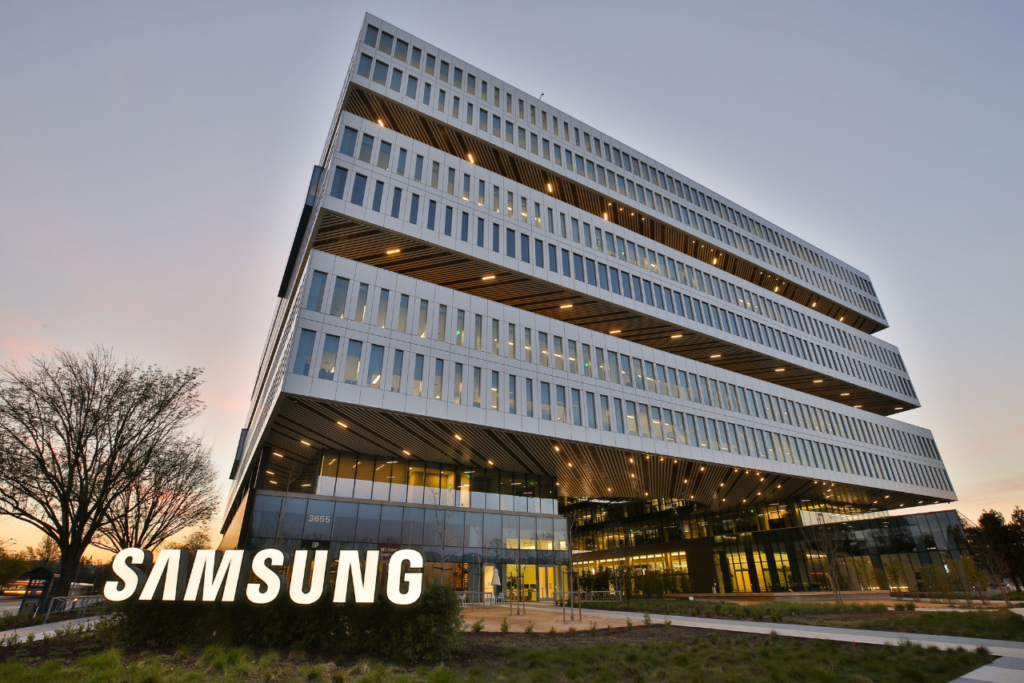
The numbers behind the Samsung and SK Hynix stock crash tell a brutal story. Samsung Electronics shed roughly thirteen percent of its value in a single trading day, while SK Hynix, the memory chip giant that had become the poster child of the AI hardware rally, plunged nearly fifteen percent. Because the two companies together account for more than half the weight of the Kospi index, the Samsung and SK Hynix stock crash single-handedly dragged the entire South Korean market into one of its worst sessions in recent memory. Kioxia, the Japanese memory maker, was not spared either, tumbling by double digits in sympathy with the Samsung and SK Hynix stock crash.
A Month of Losses Before the Storm
This was not an isolated event. The Samsung and SK Hynix stock crash arrived on the heels of a punishing month for Korean equities. The Kospi had already shed close to twenty percent of its value over the preceding weeks, meaning the index has now given back nearly a third of its worth since its June peak. That peak, reached only weeks earlier, was itself the product of one of the most explosive rallies in the exchange’s history, a nearly threefold surge fueled almost entirely by optimism around artificial intelligence and the memory chips that power it.
What Triggered the Selloff: China’s CXMT Threat
What triggered the latest leg of the Samsung and SK Hynix stock crash was not a surprise interest rate decision or a geopolitical shock, but a competitive threat from across the Yellow Sea. Reports confirmed that Chinese memory chipmaker ChangXin Memory Technologies, widely known as CXMT, has begun mass production using older-generation lithography tools, a development that raised fears of a looming price war in the global memory market. CXMT also completed one of Asia’s largest initial public offerings of the year, a Shanghai listing that surged spectacularly before pulling back, underscoring just how much capital is now chasing the memory chip narrative on both sides of the Pacific.
Record Profits, Still Not Enough for the Market
Analysts covering the Samsung and SK Hynix stock crash have been quick to point out that the sell-off is not simply a case of investors panicking over a single earnings miss. SK Hynix, in fact, reported its most profitable quarter in company history just before the rout, a result that in ordinary circumstances would have been celebrated as a triumph. Instead, the earnings fell just short of the market’s lofty expectations, and that gap between reality and expectation was enough to spark the wider Samsung and SK Hynix stock crash and a wave of selling. It is a pattern familiar to anyone who has watched speculative rallies unwind before: when a stock is priced for perfection, even a record quarter can disappoint.
Leverage and Margin Calls Deepen the Pain
The Samsung and SK Hynix stock crash has also renewed scrutiny of leverage in the Korean market. Brokerages have confirmed that margin calls hit more than a million trading accounts as prices fell, a sign that much of the June rally had been built on borrowed money rather than patient long-term conviction. South Korea’s Financial Services Commission is now reportedly weighing tighter controls on leveraged trading, an acknowledgment that the speed and violence of the Samsung and SK Hynix stock crash exposed real structural fragility beneath the market’s surface.
Global Markets Feel the Aftershocks
Beyond Korea’s borders, the tremors from the Samsung and SK Hynix stock crash were felt across Asian and global trading floors. Japan’s Nikkei 225 slid nearly four percent, weighed down by losses in SoftBank and other technology-linked names. Taiwanese semiconductor stocks wobbled as well in sympathy with the Samsung and SK Hynix stock crash, even though Taiwan’s exposure to the memory chip segment specifically is smaller than Korea’s. U.S. futures dipped in early trading, and oil prices softened, a signal that investors were rotating out of risk assets broadly rather than simply punishing two Korean companies.
Why This Matters Beyond Korea
For everyday investors and casual market watchers alike, the Samsung and SK Hynix stock crash is a sobering reminder of how concentrated the current AI investment boom has become. The Samsung and SK Hynix stock crash shows how a handful of companies supplying the physical infrastructure behind artificial intelligence, from high-bandwidth memory chips to advanced logic processors, have absorbed an outsized share of global investment flows over the past two years. When sentiment shifts even slightly on names like Samsung and SK Hynix, the ripple effects move through pension funds, index trackers, and retail portfolios far beyond Seoul.
The Bull Case: Is the Panic Overdone?
Optimists argue the panic is overdone. They point out that despite the brutal two-day slide, the Samsung and SK Hynix stock crash has only unwound roughly nine weeks of gains from an otherwise historic run, and that underlying demand for high-bandwidth memory used in AI accelerators remains structurally strong. Nvidia’s continued massive spending commitments, including a reported quarter-trillion-dollar financing arrangement with OpenAI, suggest that demand for advanced memory is not vanishing, even if near-term sentiment has curdled.
The Bear Case: A Bigger AI Reckoning?
Pessimists, however, see the Samsung and SK Hynix stock crash as an early warning sign of a much larger reckoning. They note that memory chip cycles have a long and painful history of boom and bust, and that both companies had already endured brutal down cycles in the past. The bear case behind the Samsung and SK Hynix stock crash rests on a simple worry: years of aggressive capacity expansion, encouraged by AI-fueled demand projections, could eventually flood the market with more chips than buyers actually need, crushing prices just as it has in previous cycles.
Recalibrating How Markets Price AI
The broader implication of the Samsung and SK Hynix stock crash is that markets globally are recalibrating how they price artificial intelligence exposure. For much of the past two years, simply being tied to the AI supply chain was enough to send a stock soaring. That easy correlation now appears to be breaking down, replaced by a more discerning, and considerably more volatile, market willing to punish even record profits if they fall short of sky-high expectations.
What Comes Next for Samsung and SK Hynix
What happens next will depend heavily on how Samsung and SK Hynix respond in the coming weeks. Both companies caught in the Samsung and SK Hynix stock crash are expected to reassure investors about capital discipline, pricing power, and their long-term roadmaps for next-generation high-bandwidth memory. Whether that reassurance is enough to stop the bleeding, or whether the Samsung and SK Hynix stock crash marks the beginning of a longer correction, will be one of the most closely watched stories in global markets in the weeks ahead.
The Uncomfortable Question Markets Must Answer
For now, traders across Seoul, Tokyo, and New York are left parsing the same uncomfortable question that has followed the artificial intelligence boom since its earliest days: how much of this growth was real demand, and how much was a story the market told itself a little too enthusiastically. The Samsung and SK Hynix stock crash may not answer that question definitively, but it has certainly forced everyone to ask it out loud again.
Impact on Indian Markets and Investors
Indian markets, which have grown increasingly intertwined with global semiconductor sentiment as domestic chip assembly and packaging investments expand, were not immune to the tremors either. Dalal Street traders tracking the Samsung and SK Hynix stock crash flagged it as a fresh reminder that India’s own ambitions in electronics manufacturing remain exposed to swings in the global memory chip cycle. Brokerages in Mumbai noted that any prolonged Samsung and SK Hynix stock crash could cool foreign investment sentiment toward Asian technology supply chains more broadly, even as India positions itself as an alternative manufacturing hub.
Wall Street and Global Investors React
Global rating agencies and hedge funds have already begun revising their outlook notes in the aftermath of the Samsung and SK Hynix stock crash. Several Wall Street desks described the sell-off as a healthy, if painful, repricing rather than the start of a systemic crisis, arguing that fundamentals in artificial intelligence infrastructure spending remain intact even as speculative excess gets wrung out of the system. Others were less charitable, warning clients that the Samsung and SK Hynix stock crash could be the first domino in a broader unwind of AI-linked equities that have looked stretched by almost every traditional valuation measure for months.
Retail Investors Face a Difficult Choice
Retail investors, many of whom piled into Samsung and SK Hynix shares during the euphoric first half of 2026, now face a difficult choice: hold on through the volatility or lock in losses after one of the sharpest reversals the Kospi has ever recorded. Financial advisors covering the Samsung and SK Hynix stock crash for local Korean media have urged caution against panic selling, while also acknowledging that the speed of the decline has tested even seasoned portfolio managers navigating the wider Samsung and SK Hynix stock crash fallout.
Source: Imperium Times