
Gulf Security Tested as Kuwait Bahrain Missile Strikes Trigger Regional Alarm and Renew Fears of Wider Conflict
The Middle East has once again moved to the center of global attention following a dramatic escalation involving Iran, the United States, and key Gulf nations. In Kuwait Bahrain Missile Strikes one of the most significant military developments of recent months, missile launches, drone interceptions, and retaliatory strikes have intensified concerns that the region may be moving toward a broader and more unpredictable conflict.
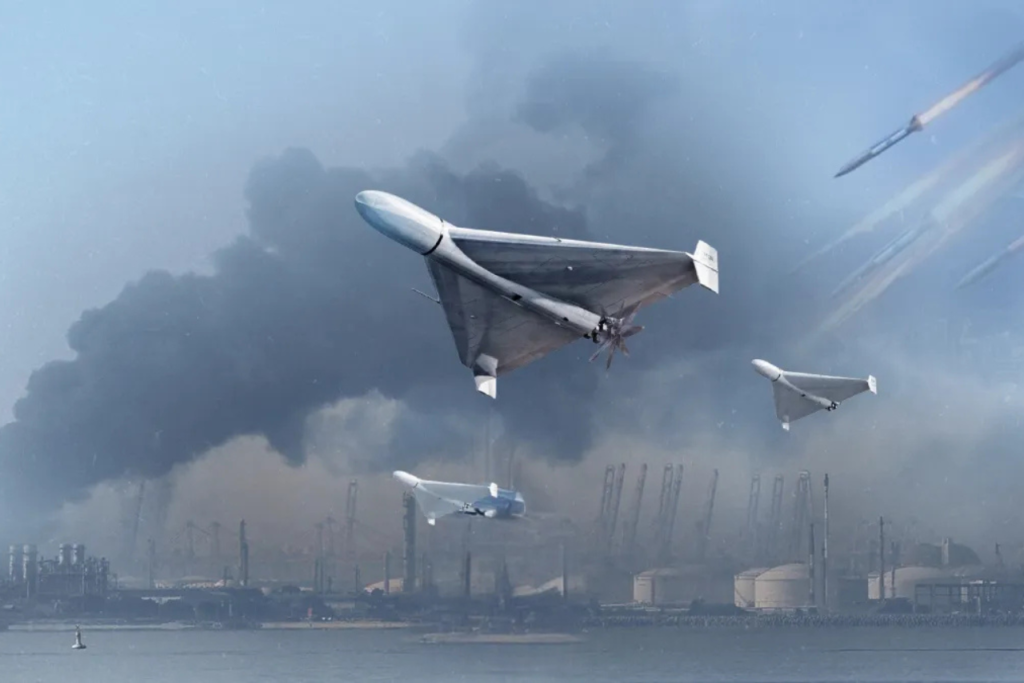
The latest developments unfolded after United States military officials reported intercepting Iranian drones that were allegedly headed toward strategic maritime routes near the Strait of Hormuz. Within hours, the confrontation expanded as ballistic missiles were launched toward Kuwait and Bahrain, prompting emergency security responses across the Gulf region and raising fears about the stability of one of the world’s most critical energy corridors.
As governments, military analysts, financial markets, and international organizations assess the implications, the world is closely watching whether diplomacy can prevent further escalation or whether the current crisis will evolve into a larger regional confrontation.
Source: Imperium Times
Kuwait Bahrain Missile Strikes: A New Flashpoint in the Middle East
The current confrontation did not emerge in isolation.
For months, tensions between Washington and Tehran have remained elevated amid disputes involving regional security, maritime routes, military deployments, and strategic influence across the Middle East.
Recent reports indicate that United States forces intercepted multiple Iranian drones that were considered a threat to maritime traffic operating near the Strait of Hormuz. Shortly after those interceptions, American forces reportedly conducted strikes against Iranian radar and surveillance facilities located along the country’s southern coastline. These sites were described as military infrastructure connected to maritime monitoring operations.
The situation escalated rapidly when missile launches toward Gulf nations were reported.
According to military assessments released by U.S. Central Command, seven ballistic missiles were fired toward Kuwait and Bahrain. Initial evaluations suggested that most were intercepted before reaching their intended targets, while another failed during flight.
Although officials reported no major casualties from these particular launches, the incident has significantly heightened concerns about regional security.
Why Kuwait and Bahrain Matter Strategically
Understanding the importance of Kuwait and Bahrain is essential to understanding why this escalation has generated worldwide concern.
Both nations occupy critical positions within the Gulf security framework.
Kuwait serves as a major logistical and military hub, while Bahrain hosts significant international military assets and strategic command infrastructure.
Any attack or attempted strike targeting these nations immediately carries broader geopolitical implications.
Military analysts note that actions involving Gulf states often affect:
- Global energy markets
- Maritime security
- International shipping routes
- Military alliances
- Regional diplomatic relationships
The significance extends far beyond national borders.
Because of their strategic location near major oil transportation routes, developments involving Kuwait and Bahrain frequently influence global economic sentiment and commodity markets.
Strait of Hormuz: The Global Economic Lifeline
The current crisis has once again drawn attention to the Strait of Hormuz.
This narrow waterway remains one of the most important energy transit routes in the world.
A significant portion of global oil and liquefied natural gas shipments passes through the region every day.
Whenever military activity increases near Hormuz, investors, governments, and shipping companies react immediately.
The recent drone incidents and military responses have renewed concerns regarding:
- Energy supply disruptions
- Shipping insurance costs
- Oil price volatility
- Global inflation pressures
- Supply chain instability
Financial markets historically respond quickly to developments involving Hormuz because even limited disruptions can affect worldwide energy pricing.
For this reason, military exchanges in the Gulf rarely remain regional issues.
Kuwait Bahrain Missile Strikes: The Military Exchange That Changed the Situation
According to official statements, the immediate sequence of events began when Iranian drones were launched toward areas near the Strait of Hormuz.
United States military forces reported intercepting and destroying multiple drones before they could threaten maritime traffic.
Following these interceptions, American forces targeted Iranian radar and surveillance facilities located on Qeshm Island and nearby coastal regions. Officials described the operation as defensive in nature and intended to prevent future maritime threats.
Iran subsequently responded through missile launches directed toward Gulf neighbors, creating the conditions for what has now become one of the most dangerous military exchanges of the year.
The cycle of action and retaliation has raised concerns that further incidents could emerge in the coming days.
Kuwait Bahrain Missile Strikes and Their Regional Impact
The latest Kuwait Bahrain Missile Strikes have created immediate security concerns across the Gulf.
Air defense systems were activated.
Warning sirens reportedly sounded.
Military forces across the region increased readiness levels.
Governments began coordinating closely with allies and defense partners.
Even though interception systems successfully prevented large-scale destruction according to military reports, the political and psychological impact remains substantial.
Security experts emphasize that attempted attacks can sometimes be as strategically significant as successful ones because they signal intent, capability, and willingness to escalate.
The latest Kuwait Bahrain Missile Strikes therefore represent more than isolated military incidents.
They symbolize a broader contest for influence and deterrence across the Middle East.
Kuwait Bahrain Missile Strikes : International Reactions Intensify
Global reactions have been swift.
Several governments have called for restraint and de-escalation.
Diplomatic channels are reportedly active as international actors seek to prevent further deterioration of regional stability.
Major world powers understand that prolonged confrontation could have serious consequences, including:
- Expanded military conflict
- Economic disruption
- Energy market instability
- Increased humanitarian risks
- Broader geopolitical fragmentation
International institutions continue encouraging diplomatic engagement while monitoring developments closely.
The challenge lies in preventing tactical military exchanges from transforming into strategic regional conflict.
Energy Markets Watching Every Development
One of the most immediate consequences of the crisis has been heightened attention from energy markets.
Historically, geopolitical instability involving Iran and Gulf shipping routes produces rapid market reactions.
Investors remain particularly sensitive to:
- Oil production risks
- Export disruptions
- Shipping delays
- Insurance premiums
- Strategic petroleum reserves
Even limited disruptions near major energy transit routes can create ripple effects across global economies.
As a result, financial institutions and market analysts are monitoring every development associated with the current crisis.
Could Diplomacy Still Prevail?
Despite the intensity of recent events, diplomatic opportunities remain available.
History demonstrates that even severe military confrontations can eventually produce negotiated outcomes.
Several factors may encourage restraint:
Economic Pressures
Sustained conflict carries significant economic costs for all parties.
Regional Stability Concerns
Neighboring countries prefer stability over prolonged military confrontation.
International Mediation
External diplomatic actors may facilitate dialogue.
Strategic Calculations
Both sides understand the risks associated with uncontrolled escalation.
The coming days may prove critical in determining whether military actions continue or diplomatic initiatives gain momentum.
What This Means for the Global Community
The implications extend far beyond the Middle East.
The interconnected nature of modern economies means regional instability can influence global conditions rapidly.
Potential effects include:
- Energy price fluctuations
- Transportation costs
- Investor confidence
- Commodity market volatility
- Geopolitical uncertainty
Governments worldwide therefore have a vested interest in promoting de-escalation and protecting international trade routes.
The situation also highlights the growing importance of maritime security in an increasingly interconnected global economy.
The Road Ahead
The Middle East has experienced numerous crises over the decades, but each confrontation carries unique risks.
The current situation combines military action, strategic waterways, international alliances, and economic consequences in a particularly sensitive environment.
Whether this crisis becomes a short-lived episode or a defining geopolitical event will depend on decisions made by leaders in the coming days.
For now, military forces remain vigilant, diplomatic efforts continue behind closed doors, and the world watches closely.
The latest Kuwait Bahrain Missile Strikes serve as a reminder that regional tensions can escalate rapidly and affect global stability in profound ways.
As the confrontation between Iran and the United States evolves, the priority for the international community remains clear: prevent further escalation, protect civilian populations, safeguard critical trade routes, and pursue diplomatic solutions capable of restoring long-term regional stability.
The outcome of this crisis may shape Middle Eastern geopolitics, energy security, and international relations for years to come.
Read more Articles Like This!
Imperium Times