
By Imperium Times
Europe’s largest automaker is entering one of the most decisive transformation phases in its modern history, as Volkswagen prepares to execute a sweeping cost-reduction and efficiency overhaul designed to strengthen its global competitiveness by the end of the decade. The initiative, aimed at trimming operational expenses by roughly 20% by 2028, signals a turning point for the automotive giant as it adapts to rapid market changes, electrification pressures, and intensifying international competition.
Industry analysts believe Volkswagen’s strategy reflects a broader restructuring trend unfolding across the global automotive sector, where legacy manufacturers must simultaneously invest in future technologies while managing profitability in traditional vehicle segments. Executives view the plan not merely as a cost-cutting exercise but as a comprehensive operational reset intended to safeguard long-term stability.
Market observers note that the move underscores how traditional carmakers are being forced to rethink manufacturing efficiency, supply chains, workforce deployment, and technology investment priorities in an era defined by electric mobility and software-driven vehicles.
Why Volkswagen’s Cost Strategy Matters for the Global Automotive Market
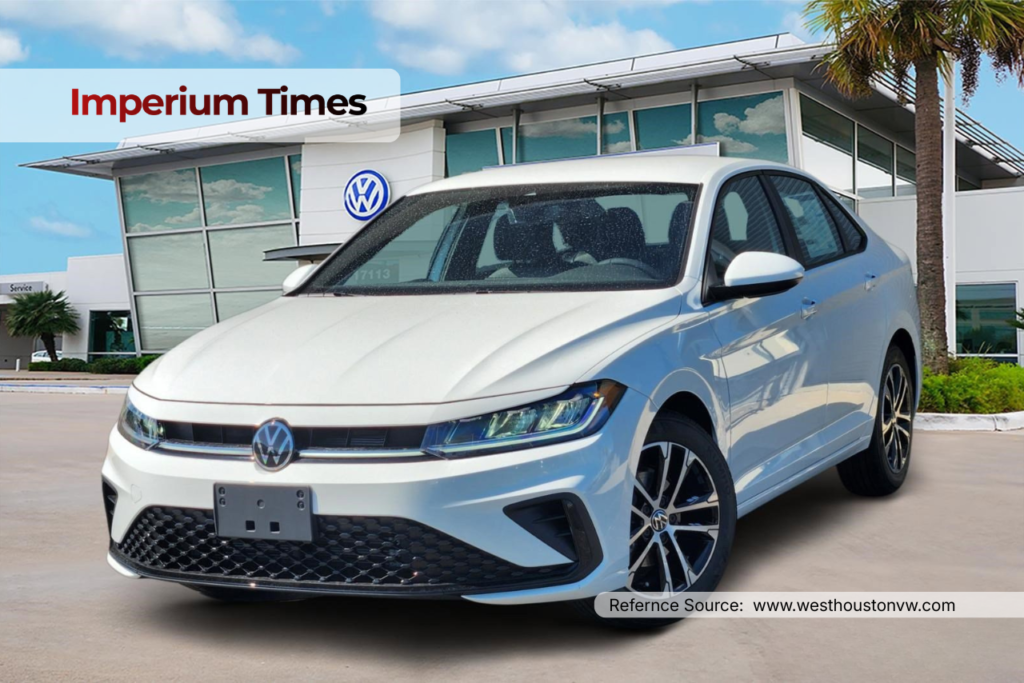
The renewed strategic focus inside Volkswagen reflects mounting pressure across Europe’s manufacturing landscape. Rising energy costs, labor expenses, and growing competition from agile electric vehicle startups have squeezed profit margins, forcing automakers to streamline operations.
According to German business publication Manager Magazin, internal planning discussions highlight the scale of restructuring needed to deliver the ambitious savings target. Achieving such reductions without undermining innovation capacity remains one of the central challenges facing Volkswagen leadership.
Industry specialists say this transformation push also demonstrates how established manufacturers must evolve quickly to maintain their global leadership positions amid rapid technological disruption.
Financial Pressures Driving the Transformation
Automotive production has become increasingly complex, combining hardware engineering with advanced software integration. As production costs climb and global competition intensifies, Volkswagen is seeking to secure financial resilience while continuing investment in future mobility solutions.
Profitability pressures across European manufacturing hubs have further encouraged Volkswagen to pursue operational reforms designed to reduce inefficiencies without compromising product quality or safety standards.
The efficiency drive also comes as automakers worldwide confront volatile raw material prices, supply chain disruptions, and uncertain consumer demand patterns in key markets such as Europe, China, and North America.
Electric Mobility Transition Accelerates Urgency
The global shift toward electric vehicles has created unprecedented pressure on traditional manufacturers. Volkswagen has already committed billions toward EV development, battery technology, and digital vehicle platforms, making cost discipline critical to sustaining profitability.
Analysts argue that Volkswagen must balance short-term savings goals with long-term investments in electrification, autonomous systems, and vehicle software platforms if it hopes to remain competitive in emerging automotive ecosystems.
The transition also forces manufacturers to rethink production footprints, supplier relationships, and technological partnerships across continents.
Workforce and Manufacturing Footprint Implications
Restructuring efforts inevitably raise concerns among employees and labor unions regarding potential workforce impacts. Volkswagen’s leadership, however, emphasizes that efficiency gains will rely more on process optimization and digitalization than widespread layoffs.
Operational modernization, automation, and platform consolidation are expected to play significant roles in enabling Volkswagen to streamline production while maintaining workforce stability where possible.
Labor representatives continue to monitor developments closely as negotiations progress around future employment frameworks within the company’s European operations.
Competition Intensifies Across Global Markets
Automakers worldwide are navigating a rapidly shifting competitive landscape. New entrants, particularly electric vehicle specialists, are reshaping consumer expectations around performance, sustainability, and digital features.
To counter these pressures, Volkswagen aims to strengthen cost efficiency so it can remain competitive in both entry-level and premium market segments while continuing to expand electric offerings globally.
Emerging automotive players, particularly in Asia, have increased competition in pricing and innovation, pushing established manufacturers to accelerate modernization strategies.
Supply Chain Reconfiguration Becomes Essential
Supply chain resilience has become a strategic priority following recent global disruptions. Volkswagen is reviewing procurement strategies and supplier partnerships to reduce vulnerability to future shocks while controlling production costs.
Industry insiders suggest Volkswagen’s supply chain reforms may include increased localization of key components, digital tracking improvements, and stronger partnerships with technology suppliers.
The success of these adjustments could significantly influence production stability and cost efficiency over the next several years.
Execution Strategy Will Determine Success
Implementation discipline remains the critical factor in achieving efficiency goals. Volkswagen leadership must align management, labor groups, and global partners behind unified transformation objectives.
Strategic execution across multiple regions and business units will determine whether Volkswagen can meet its ambitious targets without sacrificing innovation speed or customer satisfaction.
Operational alignment across engineering, procurement, logistics, and manufacturing divisions will be crucial to delivering sustainable efficiency improvements.
Technology Investment Remains Central
Despite cost reduction initiatives, innovation investment remains a core priority. Volkswagen continues allocating resources toward battery research, digital vehicle ecosystems, and next-generation mobility services.
Industry analysts stress that maintaining innovation momentum while cutting expenses is one of the most delicate balancing acts facing Volkswagen in the coming years.
Technology-driven efficiency improvements, including digital manufacturing systems and predictive maintenance tools, are expected to support both savings goals and product quality improvements.
Market Outlook for the Coming Years
Market experts believe global automotive demand will remain uneven through the remainder of the decade as economic uncertainty and regulatory changes influence purchasing decisions.
Volkswagen aims to position itself strongly across emerging EV markets while defending its established presence in traditional segments, ensuring long-term market resilience.
Strategic adaptability will likely determine whether legacy manufacturers can maintain leadership positions in rapidly evolving automotive ecosystems.
Investor Sentiment and Market Reactions
Financial markets closely monitor restructuring initiatives at major manufacturers, as cost efficiency directly affects profitability outlooks.
Investors view Volkswagen’s efficiency drive as a proactive move to protect margins and maintain competitiveness amid global industry transformation.
Positive investor sentiment may depend on how effectively management communicates progress and demonstrates measurable operational improvements.
Consumer Impact and Product Strategy
Consumers ultimately benefit when manufacturers optimize operations while maintaining quality standards. Volkswagen’s restructuring aims to ensure competitive pricing and improved vehicle technology offerings.
Product innovation, including enhanced digital features and improved energy efficiency, remains central to attracting new customers in highly competitive global markets.
Balancing affordability and technological advancement will play a decisive role in shaping consumer perceptions moving forward.
Regulatory Environment Shapes Industry Direction
Government policies supporting emissions reduction and sustainability targets significantly influence automotive investment decisions worldwide.
Volkswagen continues adapting its strategy to align with evolving regulations across Europe, North America, and Asia while ensuring operational sustainability.
Regulatory frameworks encouraging electric mobility adoption further reinforce the urgency behind cost-efficient production models.
Risks That Could Challenge Implementation
Execution risks remain substantial, including potential economic downturns, geopolitical uncertainties, and raw material supply fluctuations.
Volkswagen must navigate these risks while executing operational reforms without disrupting product development or market expansion plans.
Unexpected economic slowdowns or demand fluctuations could complicate cost-saving targets if not managed carefully.
Leadership Perspective on the Transformation
Company leadership frames the restructuring as a forward-looking transformation rather than a defensive maneuver. Volkswagen executives highlight the importance of agility in an industry undergoing unprecedented disruption.
Strong leadership alignment across global operations will determine how effectively Volkswagen can execute its efficiency roadmap.
Management continues emphasizing long-term sustainability over short-term financial gains.
Future Roadmap and Industry Expectations
Looking ahead, Volkswagen’s restructuring journey will likely shape broader industry trends as competitors pursue similar efficiency drives.
Industry analysts predict manufacturers able to combine cost efficiency with technological leadership will emerge strongest in the coming decade.
Volkswagen’s progress will therefore be closely watched as an indicator of how legacy automakers adapt to evolving global mobility demands.
Volkswagen Efficiency Transformation Signals a New Era for Automakers
The efficiency drive represents a strategic shift positioning Volkswagen for a rapidly evolving automotive future. Observers say Volkswagen’s transformation could redefine how legacy automakers approach competitiveness in a digital and electric era.
As operational reforms advance, Volkswagen must balance cost discipline with innovation investment to secure long-term industry leadership.
Ultimately, Volkswagen’s success in executing its ambitious restructuring plan may determine its position in a global automotive sector undergoing historic transformation.