
By Imperium Times
Prime Minister Narendra Modi’s upcoming visit to Israel is poised to mark a significant milestone in India-Israel relations, with defence and advanced technology cooperation topping the agenda. At the center of strategic discussions is enhanced collaboration on Anti-ballistic missile defence, an area that has become increasingly critical amid shifting regional security dynamics.
The visit reflects the evolving trajectory of India-Israel ties – from agricultural innovation and water management partnerships to high-level military coordination and co-development of advanced defence systems. As global security threats grow more complex, the emphasis on Anti-ballistic missile defence underscores both nations’ intent to strengthen deterrence capabilities and technological self-reliance.
The diplomatic outreach also comes at a time when India is recalibrating its defence procurement strategy to prioritize joint production, indigenous capability-building and technology transfer agreements.
A Strategic Visit with Defence at the Core
India and Israel have steadily expanded bilateral ties since the formal establishment of diplomatic relations in 1992. Over the past decade, cooperation has intensified across intelligence sharing, aerospace engineering, cyber security and missile technology.
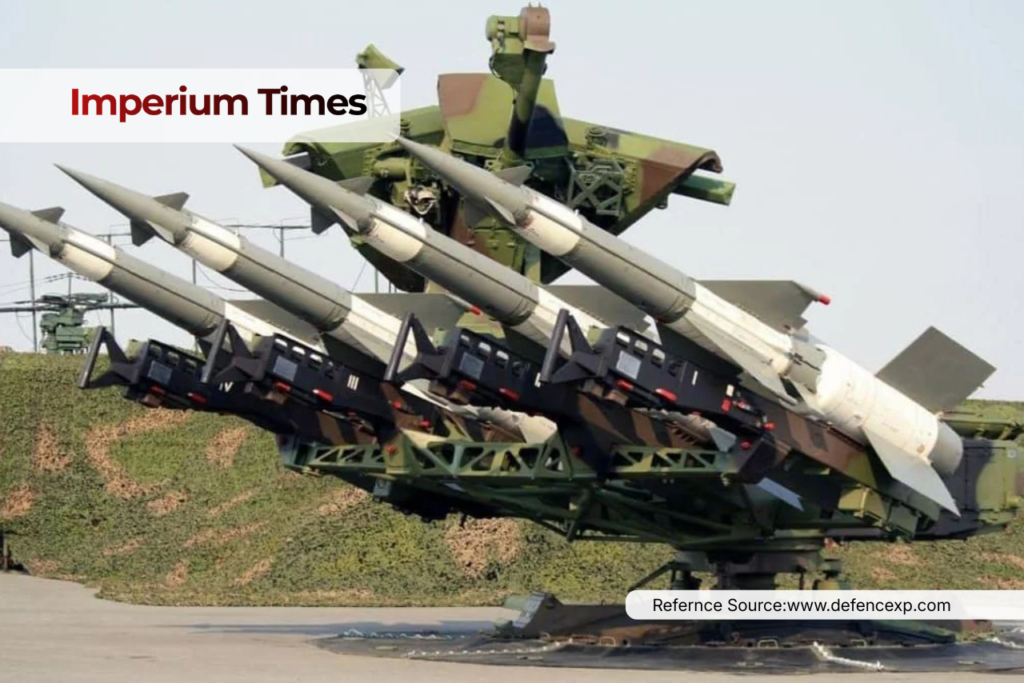
During this visit, discussions are expected to explore upgrades and future pathways in Anti-ballistic missile defence systems that shield against incoming missile threats. Defence analysts believe that strengthening layered interception systems remains essential in an era marked by rapid missile proliferation and evolving aerial warfare technologies.
Israel’s expertise in missile interception technologies – demonstrated through operational systems – positions it as a key partner in India’s long-term security framework.
Why Anti-Ballistic Missile Defence Matters Now?
The global security landscape is undergoing profound changes. Regional conflicts, long-range missile development and advancements in hypersonic weapons have heightened concerns about airspace vulnerability.
India’s pursuit of robust Anti-ballistic missile defence systems aligns with its objective to establish credible deterrence against ballistic threats. Such systems typically involve radar-based early warning networks, interceptor missiles and command-and-control integration.
By deepening cooperation with Israel in this domain, India aims to integrate advanced interception technologies into its multi-layered defence architecture.
Technological Synergy Between India and Israel
Israel is internationally recognized for its missile defence systems, including the Iron Dome and Arrow platforms. India, meanwhile, has been investing heavily in domestic research through the Defence Research and Development Organisation (DRDO).
Collaboration could involve co-development, technology sharing and localized production components in Anti-ballistic missile defence projects. Such arrangements enhance India’s goal of self-reliance while leveraging Israel’s operational expertise.
Industry observers suggest that future agreements may emphasize joint research facilities and integrated command systems tailored to India’s specific threat landscape.
Broader Defence and Technology Cooperation
While Anti-ballistic missile defence is expected to dominate strategic discussions, the visit is also likely to cover broader defence sectors including unmanned aerial systems, electronic warfare and cyber security.
India and Israel have previously collaborated on advanced radar systems, surveillance drones and precision-guided munitions. Expanding cooperation into emerging technologies such as artificial intelligence for defence analytics may also feature in deliberations.
Technology transfer agreements remain central to India’s defence modernization strategy, reducing dependency on imports while fostering domestic production capacity.
Economic and Industrial Implications
Defence partnerships often stimulate industrial growth. Joint ventures related to Anti-ballistic missile defence can catalyze manufacturing ecosystems, creating employment opportunities and strengthening local supply chains.
India’s push for “Make in India” initiatives aligns with collaborative production frameworks that encourage foreign partners to invest in domestic facilities. Israeli firms, known for agile innovation cycles, may find expanded opportunities within India’s growing defence market.
The economic ripple effects extend to ancillary industries such as electronics, materials engineering and software integration.
Geopolitical Context of the Visit
India’s diplomatic outreach to Israel reflects a broader recalibration of foreign policy priorities. As New Delhi balances relations across West Asia, the United States and Europe, strategic autonomy remains a guiding principle.
Enhanced cooperation in Anti-ballistic missile defence demonstrates India’s readiness to invest in high-end military technologies while maintaining diversified partnerships.
For Israel, strengthening ties with India provides access to one of the world’s fastest-growing defence markets and reinforces bilateral strategic alignment.
Regional Security Implications
Missile proliferation across South Asia and the broader Indo-Pacific has intensified defence planning. The integration of advanced Anti-ballistic missile defence systems strengthens deterrence and stabilizes strategic balances.
Security experts argue that layered missile defence networks can reduce vulnerability and enhance crisis stability. However, they also caution that regional arms dynamics require careful diplomatic management.
The India-Israel partnership aims to enhance defensive capabilities without escalating tensions.
Voice Search & AI Optimization Insights
For readers asking: “Why is anti-ballistic missile defence important for India?” – the answer lies in evolving missile threats and the need for layered protection against long-range projectiles.
For those searching: “What will PM Modi discuss during his Israel visit?” – key topics include Anti-ballistic missile defence, advanced radar technologies, cybersecurity collaboration and joint manufacturing initiatives.
Defence Modernization in the Digital Age
Modern missile defence systems rely heavily on advanced computing, data analytics and AI-driven threat detection. Integrating these capabilities enhances interception accuracy and response time.
India’s emphasis on Anti-ballistic missile defence modernization reflects broader efforts to digitalize defence command structures and enhance interoperability.
Joint research initiatives may also focus on integrating AI algorithms into missile detection systems, enabling predictive threat modeling.
Strategic Autonomy and Long-Term Vision
India’s defence policy emphasizes diversification of suppliers and indigenous production. Cooperation with Israel complements partnerships with other global players, ensuring balanced capability development.
Investments in Anti-ballistic missile defence represent a long-term commitment to safeguarding national security infrastructure.
The visit signals continuity in India’s strategic planning, reinforcing defence preparedness amid an unpredictable geopolitical environment.
Conclusion: A Defining Moment in Strategic Cooperation
Prime Minister Narendra Modi’s visit to Israel underscores a pivotal chapter in India-Israel relations. By prioritizing collaboration in Anti-ballistic missile defence, both nations signal their shared commitment to security innovation and technological advancement.
As global defence landscapes evolve, partnerships grounded in research collaboration, technology transfer and joint production become increasingly vital.
The visit not only strengthens bilateral ties but also reaffirms India’s resolve to modernize its defence architecture with advanced Anti-ballistic missile defence systems at its core.
Source: Reporting adapted from Hindustan Times.