
The ongoing Afghanistan Pakistan War has entered one of its most critical and dangerous phases in recent years. With escalating cross-border strikes, rising civilian casualties, and growing international concern, the conflict is rapidly evolving into a broader regional crisis.
At the center of global attention is a devastating airstrike on a major hospital in Kabul, which has reportedly resulted in the deaths of hundreds of civilians. The incident has triggered widespread condemnation, diplomatic tensions, and renewed fears of prolonged instability in South Asia.
As the Afghanistan Pakistan War intensifies, the situation on the ground reflects a complex mix of military operations, political narratives, and humanitarian concerns.
The Kabul Hospital Strike: A Turning Point
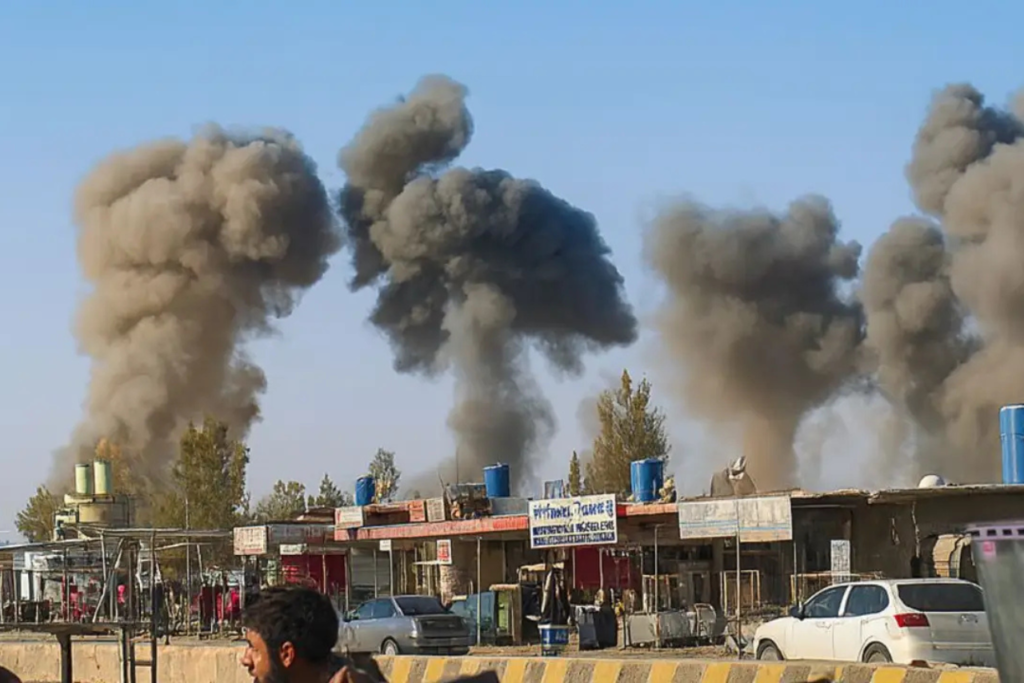
The latest escalation in the Afghanistan Pakistan War comes after a reported airstrike targeted a large addiction treatment hospital in Kabul. The facility, which had the capacity to accommodate thousands of patients, was severely damaged during the attack.
According to officials linked to the Taliban administration, the death toll has reached approximately 400, with hundreds more injured. Emergency teams have been working continuously to control fires, recover bodies, and assist survivors.
Eyewitnesses described hearing aircraft overhead before explosions shook the area. The destruction has been described as extensive, with entire sections of the hospital reduced to rubble.
This incident has become one of the deadliest single events in the ongoing Afghanistan Pakistan War, raising serious questions about targeting protocols and civilian protection.
Conflicting Claims From Both Sides
As with many modern conflicts, narratives around the Afghanistan Pakistan War differ sharply between the two countries.
Officials from Pakistan have denied targeting civilian infrastructure. According to their statements, the airstrikes were aimed at militant positions and logistical facilities in Kabul and the eastern province of Nangarhar.
Pakistani authorities claim that the operation focused on dismantling infrastructure linked to armed groups, including drone assembly units and weapons storage sites.
On the other hand, authorities in Afghanistan have strongly condemned the strike, calling it a violation of sovereignty and a deliberate attack on civilian infrastructure.
The contradiction between these claims highlights the information war that often accompanies physical conflict, making independent verification increasingly difficult.
The Origins of the Current Escalation
To understand the present phase of the Afghanistan Pakistan War, it is essential to examine the events that triggered the latest escalation.
Tensions began to rise significantly in late February when Pakistan conducted airstrikes in Afghan cities, including Kabul and Kandahar. These strikes were described by Pakistan as a response to increasing attacks on its border forces.
Pakistan has long accused Afghan authorities of allowing militant groups to operate within its borders. These groups, including factions linked to cross-border insurgency, have been blamed for attacks on Pakistani military and civilian targets.
Afghanistan, however, has rejected these allegations, accusing Pakistan of using them as justification for military action.
The resulting retaliation from Afghan forces marked the beginning of the current phase of the Afghanistan Pakistan War, pushing both nations into open confrontation.
Military Developments and Strategic Operations
Recent updates in the Afghanistan Pakistan War indicate a series of coordinated military operations.
Pakistan has claimed that it has conducted targeted strikes on multiple locations associated with militant infrastructure. These operations reportedly resulted in the destruction of equipment, ammunition depots, and operational bases.
According to official figures released by Pakistani authorities, hundreds of fighters have been killed or injured, and dozens of military positions have been neutralized.
Afghanistan, in response, has reportedly intensified its own operations along border regions, targeting Pakistani positions and reinforcing its defensive strategy.
The use of drones, artillery, and air power suggests that the conflict is evolving into a technologically complex warfare environment.
International Reactions and Diplomatic Pressure
The escalation of the Afghanistan Pakistan War has drawn significant international attention.
The United Nations has expressed deep concern over civilian casualties and has called for immediate de-escalation. Officials have emphasized the importance of adhering to international humanitarian law, particularly the protection of civilian infrastructure such as hospitals.
India has also issued a strong statement condemning the airstrike. Officials described the attack as a serious violation of international norms and raised concerns about regional stability.
Experts from global think tanks have pointed out that mediation efforts have so far achieved limited success. With multiple geopolitical tensions unfolding simultaneously across different regions, diplomatic resources are stretched thin.
The Humanitarian Crisis
Beyond military and political dimensions, the Afghanistan Pakistan War is rapidly becoming a humanitarian crisis.
Hospitals, residential areas, and essential infrastructure are increasingly affected by the conflict. The destruction of a major medical facility in Kabul has further strained an already fragile healthcare system.
Thousands of civilians are now facing displacement, limited access to medical care, and growing uncertainty about their safety.
Humanitarian organizations warn that prolonged conflict could lead to severe shortages of food, medicine, and basic necessities.
The situation is particularly concerning given the timing during the holy month of Ramzan, a period traditionally associated with peace and reflection.
The Role of Information Warfare
In modern conflicts like the Afghanistan Pakistan War, information plays a crucial role.
Both sides have actively used media platforms to present their narratives. Social media posts, official statements, and international reporting have created multiple versions of the same events.
This environment makes it difficult for observers to determine the exact sequence of events and the accuracy of claims.
The presence of conflicting information underscores the importance of independent journalism and verified reporting.
Regional Security Implications
The implications of the Afghanistan Pakistan War extend far beyond the immediate conflict zone.
South Asia is a region with complex geopolitical dynamics, and any prolonged conflict can have ripple effects across neighboring countries.
Security experts warn that continued escalation could impact trade routes, regional cooperation, and economic stability.
Additionally, the involvement or influence of external powers could further complicate the situation, turning a bilateral conflict into a broader geopolitical issue.
What Happens Next?
The future of the Afghanistan Pakistan War remains uncertain.
Several possible scenarios could unfold:
- De-escalation through diplomacy: International pressure may push both sides toward negotiations.
- Continued military engagement: Ongoing strikes and retaliations could prolong the conflict.
- Expanded regional involvement: Other nations may become indirectly involved due to strategic interests.
At present, there are no clear signs of immediate resolution.
Important Questions About Afghanistan Pakistan War!
What caused the Afghanistan Pakistan War?
The conflict escalated due to cross-border attacks, allegations of militant safe havens, and retaliatory airstrikes.
Why is the Kabul hospital strike significant?
It resulted in high civilian casualties and intensified international condemnation.
What is the global response to the conflict?
Organizations like the United Nations have called for de-escalation and protection of civilians.
Conclusion
The current phase of the Afghanistan Pakistan War represents a critical moment in regional geopolitics. With rising casualties, conflicting narratives, and increasing international concern, the situation demands urgent attention.
While both nations continue to defend their positions, the humanitarian cost of the conflict continues to rise.
The path forward will depend on diplomatic engagement, international pressure, and the willingness of both sides to prioritize stability over escalation.
Source: LiveMint