
Noida Techie Drowning Incident: How Negligence, Delayed Rescue and Unsafe Roads Claimed a Young Life
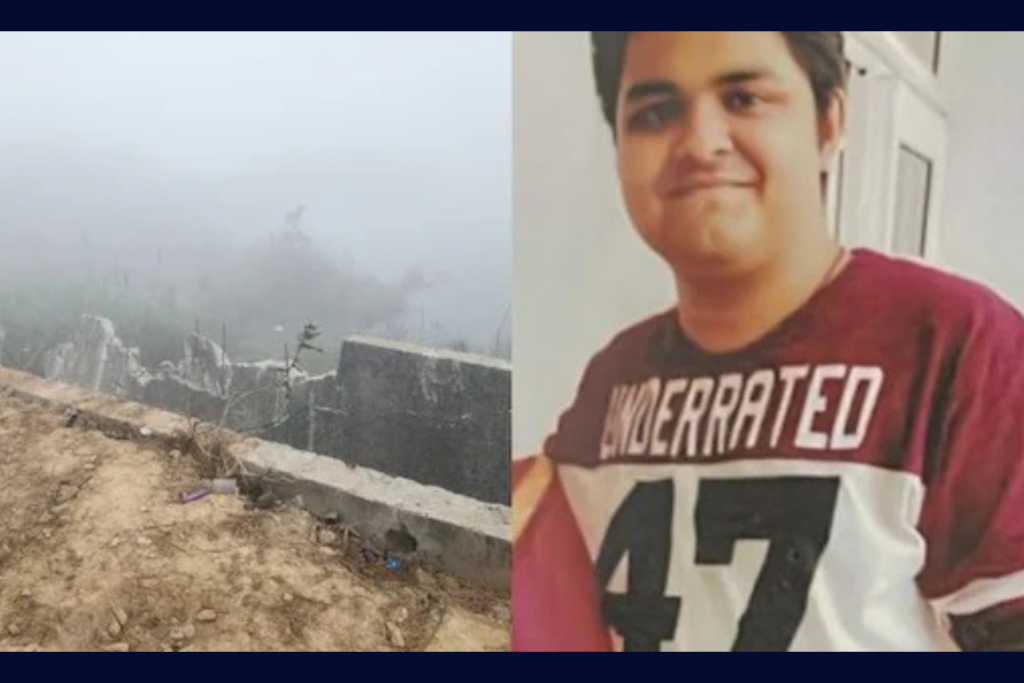
The Noida techie drowning incident has shaken public conscience across India, exposing deep-rooted failures in urban planning, emergency response, and accountability. A 27-year-old software engineer, Yuvraj Mehta, lost his life after his car plunged into an open drain in Noida’s Sector 150 on a foggy night. What followed was nearly two hours of desperate cries for help, frantic phone calls to his father, and a crowd of onlookers – including police personnel – who allegedly failed to act in time.
As details continue to emerge, the Noida techie drowning incident has become more than a tragic accident; it is now a symbol of systemic negligence that residents say could have been prevented with basic safety measures and timely intervention.
H2: What Happened on the Night of the Noida Techie Drowning Incident
On the night of the tragedy, Yuvraj Mehta was driving through Sector 150, an area known for ongoing construction and poorly marked roads. Dense fog severely reduced visibility, and a damaged boundary wall failed to warn motorists of a deep, water-filled drain ahead. His vehicle slipped off the road and plunged into the pit.
According to eyewitness accounts and official reports, Yuvraj managed to climb onto the roof of his partially submerged car. For nearly two hours, he screamed for help, waved his arms, and desperately tried to attract attention. The Noida techie drowning incident unfolded in full view of several bystanders, turning a survivable accident into a fatal one.
H2: Final Phone Calls That Defined the Noida Techie Drowning Incident
One of the most heartbreaking aspects of the Noida techie drowning incident is that Yuvraj remained conscious and communicative for much of the ordeal. He managed to call his father, share his live location, and repeatedly pleaded for rescue. His father rushed to the spot, only to watch helplessly as his son struggled in freezing water.
Despite police presence, no immediate attempt was made to enter the drain. Officials reportedly cited safety concerns, lack of swimming ability, and poor visibility due to fog. For the family, these explanations offer little comfort in the face of a loss they believe was entirely preventable.
H2: Rescue Efforts and the Critical Delays
Multiple agencies, including local police, the fire brigade, SDRF, and later NDRF teams, were eventually mobilized. However, by the time specialized rescue teams arrived, precious time had already been lost. The Noida techie drowning incident highlights how delays-rather than lack of resources – can turn emergencies into fatalities.
Cold water, low visibility, and inadequate equipment reportedly hampered rescue operations. By the time Yuvraj’s body was recovered, he had succumbed to drowning. For many residents, the question remains: why were basic rescue attempts not made earlier when the victim was still alive and visible?
H2: Public Anger Grows After the Noida Techie Drowning Incident
The Noida techie drowning incident has sparked widespread outrage among local residents and on social media. Locals claim the area has long been a “death trap,” with open drains, missing barricades, and non-functional warning lights. Several residents allege that complaints were raised earlier but ignored by authorities.
Protests erupted as people demanded accountability from the Noida Authority, local police, and private builders responsible for construction in the area. FIRs have since been registered, and investigations are underway to determine responsibility. Still, many fear that accountability will remain elusive unless sustained public pressure continues.
H2: Builder Negligence and Administrative Lapses
Authorities have pointed fingers at private builders, claiming that construction-related safety lapses caused the tragedy. Missing reflectors, broken boundary walls, and lack of signage have all been cited as contributing factors in the Noida techie drowning incident.
Urban safety experts argue that such blame-shifting highlights a deeper governance issue. Roads under construction often fall into a grey zone of responsibility, allowing both authorities and developers to evade accountability. Until clear enforcement mechanisms are in place, similar incidents remain a looming threat.
H2: Why the Noida Techie Drowning Incident Matters Nationwide
The Noida techie drowning incident is not an isolated case. Across India, rapid urban expansion has outpaced safety infrastructure. Open drains, poorly lit roads, and inadequate emergency preparedness are common in many growing cities.
This tragedy has reignited discussions on road safety audits, mandatory barricading of construction zones, and emergency response training for police personnel. For policymakers, the incident serves as a grim reminder that infrastructure growth without safety planning can cost lives.
H3: Legal Action and Ongoing Investigation
Following the Noida techie drowning incident, police registered FIRs against unidentified builders and initiated departmental inquiries. Authorities have promised strict action if negligence is proven. Meanwhile, Yuvraj’s family continues to seek justice, urging officials to ensure no other family suffers a similar loss.
Legal experts note that sustained monitoring will be crucial to prevent the case from fading out of public attention. Accountability, they argue, is the only deterrent against future negligence.
H3: Impact on Public Policy and Urban Planning
Urban planners believe the Noida techie drowning incident could serve as a turning point if lessons are truly learned. Experts recommend stricter enforcement of safety norms, real-time monitoring of construction zones, and mandatory emergency response drills in high-risk areas.
Voice search trends already show people asking questions like, “Why did the Noida techie drowning incident happen?” and “Who is responsible for Noida drain accident?” – indicating growing public concern and demand for answers.
Conclusion: A Preventable Tragedy That Must Drive Change
At its core, the Noida techie drowning incident is a story of lost time, ignored warnings, and systemic failure. A young professional with his whole life ahead of him died not because help was unavailable, but because it did not arrive in time.
As investigations continue, this tragedy must serve as a catalyst for change. Safer roads, accountable governance, and faster emergency response systems are not luxuries – they are necessities. Only then can the loss of Yuvraj Mehta lead to meaningful reform and prevent future tragedies.
Read more article like this!